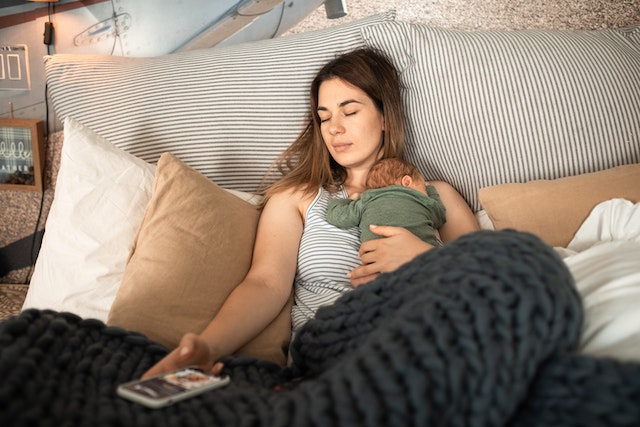
In Japan, co-sleeping or sharing a bed with young children is a common practice, and it is believed to foster bonding between parents and their children. However, the duration of co-sleeping varies depending on several factors such as cultural, social, economic, and individual factors.
Cultural and Social Factors
In Japan, co-sleeping is a cultural practice, and it is widely accepted and even encouraged. In fact, many Japanese families consider co-sleeping as a natural part of family life. According to a study conducted by the Japan Society of Sleep Research, approximately 80% of Japanese mothers sleep with their children during the first year of life, and about 33% of mothers continue to sleep with their children until they are six years old. However, the duration of co-sleeping can also depend on social factors such as urbanization, education level, and socio-economic status. For example, urbanization and higher levels of education are associated with a shorter duration of co-sleeping.
Individual Factors
The duration of co-sleeping can also vary depending on individual factors such as parenting styles, child temperament, and sleep habits. For instance, some parents may choose to co-sleep with their children because of their child’s temperament or sleep problems, while others may choose to co-sleep for cultural reasons. Additionally, some children may prefer to sleep alone, while others may prefer to co-sleep with their parents.
Benefits of Co-Sleeping
Co-sleeping has several benefits, both for children and parents. For children, co-sleeping can provide a sense of security and comfort, promote better sleep, reduce the risk of Sudden Infant Death Syndrome (SIDS), and foster parent-child bonding. For parents, co-sleeping can make nighttime feedings and diaper changes easier, promote better sleep, and provide a sense of security knowing that their child is close by.
Challenges of Co-Sleeping
However, co-sleeping can also have some challenges, particularly for parents. For instance, parents may have difficulty getting enough sleep if their child is restless or wakes frequently during the night. Additionally, co-sleeping may interfere with parental intimacy and can lead to a lack of privacy for both parents and children. Furthermore, co-sleeping may also lead to dependency issues, where the child has difficulty sleeping alone and may rely on their parents to fall asleep.
Conclusion
In conclusion, co-sleeping is a common practice in Japan, and the duration of co-sleeping varies depending on cultural, social, and individual factors. While co-sleeping has several benefits, it can also have some challenges, particularly for parents. Therefore, it is important for parents to make an informed decision about co-sleeping based on their individual needs and preferences.