Jumping spiders are a type of spider that belong to the family Salticidae, which contains over 6,000 species worldwide. These spiders are known for their unique hunting style, which involves jumping on their prey rather than spinning webs to catch them.
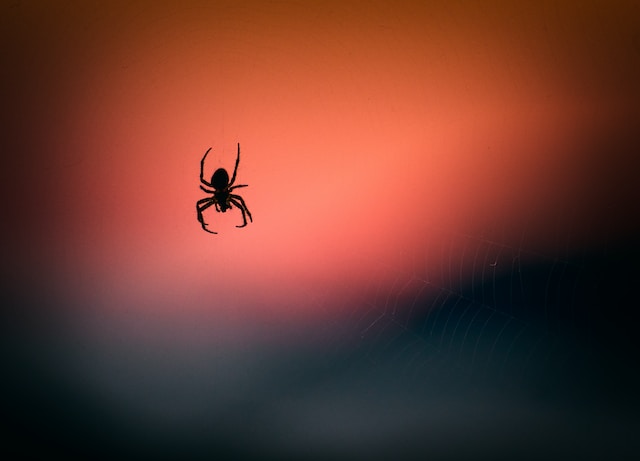
The lifespan of a jumping spider can vary depending on the species, with some living only a few months and others living up to two years. In general, female jumping spiders tend to live longer than males.
One species of jumping spider that is commonly kept as a pet is the Phidippus regius, also known as the regal jumping spider. These spiders can live up to two years in captivity if they are well taken care of.
The lifespan of a jumping spider is influenced by various factors, including their environment, food availability, and predator avoidance. In the wild, jumping spiders are at risk of being eaten by birds, lizards, and other predators, which can significantly reduce their lifespan.
Jumping spiders are also affected by changes in their environment, such as temperature and humidity. They require a specific range of temperature and humidity to thrive and reproduce. If their environment is too hot or too dry, it can shorten their lifespan.
One interesting fact about jumping spiders is that they have excellent vision. They have a pair of large eyes in the front of their head that provide high-resolution images of their surroundings. This allows them to accurately jump on their prey and avoid predators.
In conclusion, the lifespan of jumping spiders can vary depending on the species and their environment. Some species can live up to two years, while others only live a few months. Factors such as food availability, predator avoidance, and environmental conditions can all influence their lifespan. Despite their short lifespan, jumping spiders are fascinating creatures with unique hunting styles and excellent vision.