Roku TVs have gained immense popularity in recent years owing to their affordability and user-friendly interface. The lifespan of these TVs can depend on several factors. In this write-up, we will delve into the longevity of Roku TVs.
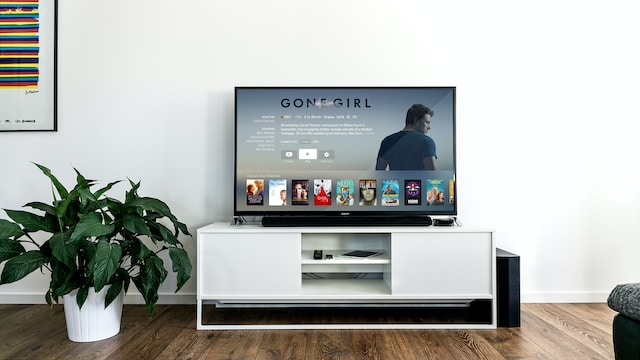
Roku TVs are television sets that use the Roku operating system, enabling users to stream content from various sources like Netflix, Hulu, and Amazon Prime Video. Different companies manufacture these TVs, such as TCL, Hisense, and Sharp, but they all operate on the same software and user interface.
The lifespan of a Roku TV can depend on the quality of the components used, frequency of usage, and maintenance. Typically, these TVs can last between 5-10 years. Some users have reported a longer lifespan of up to 15 years with proper care.
One of the most crucial factors that can impact the longevity of a Roku TV is the quality of its components. Some manufacturers may use inferior quality parts to cut costs, which may lead to the TV breaking down or malfunctioning earlier than expected. To ensure that you get a Roku TV with high-quality components, you should do some research and read reviews from other users to find out which brands and models have a reputation for durability.
The frequency of usage can also affect the lifespan of a Roku TV. The more you use it, the more wear and tear it experiences. If you use your Roku TV for several hours daily, it may not last as long as if you use it occasionally.
Moreover, how well you maintain your Roku TV can also affect its lifespan. Failure to take care of it properly may lead to breakdowns or malfunctions earlier than expected. One important maintenance task is keeping your TV clean. Accumulated dust and debris on the TV’s surface and vents can cause overheating and damage the internal components. It is also crucial to avoid exposing your Roku TV to extreme temperatures or moisture, as this can cause damage to its components.
While the average lifespan of a Roku TV is 5-10 years, you can take steps to extend its longevity. First, ensure that it remains clean and protect it from extreme temperatures or moisture. You should also be mindful of how often you use your TV and give it breaks to cool down and prevent overheating. Additionally, you can purchase an extended warranty or protection plan to cover any repairs or replacements that may be needed in the future.
In conclusion, the lifespan of a Roku TV ranges from 5-10 years, with some users reporting a longer lifespan of up to 15 years. The longevity of a Roku TV can depend on various factors, including the quality of its components, frequency of usage, and maintenance. By taking proper care of your Roku TV and being mindful of these factors, you can extend its lifespan and make the most out of your investment.