Skunks are known for their distinct odor and are often considered a nuisance by homeowners and farmers. However, skunks are fascinating animals with a unique set of characteristics and behaviors. In this article, we will explore the lifespan of skunks and what factors can affect their longevity.
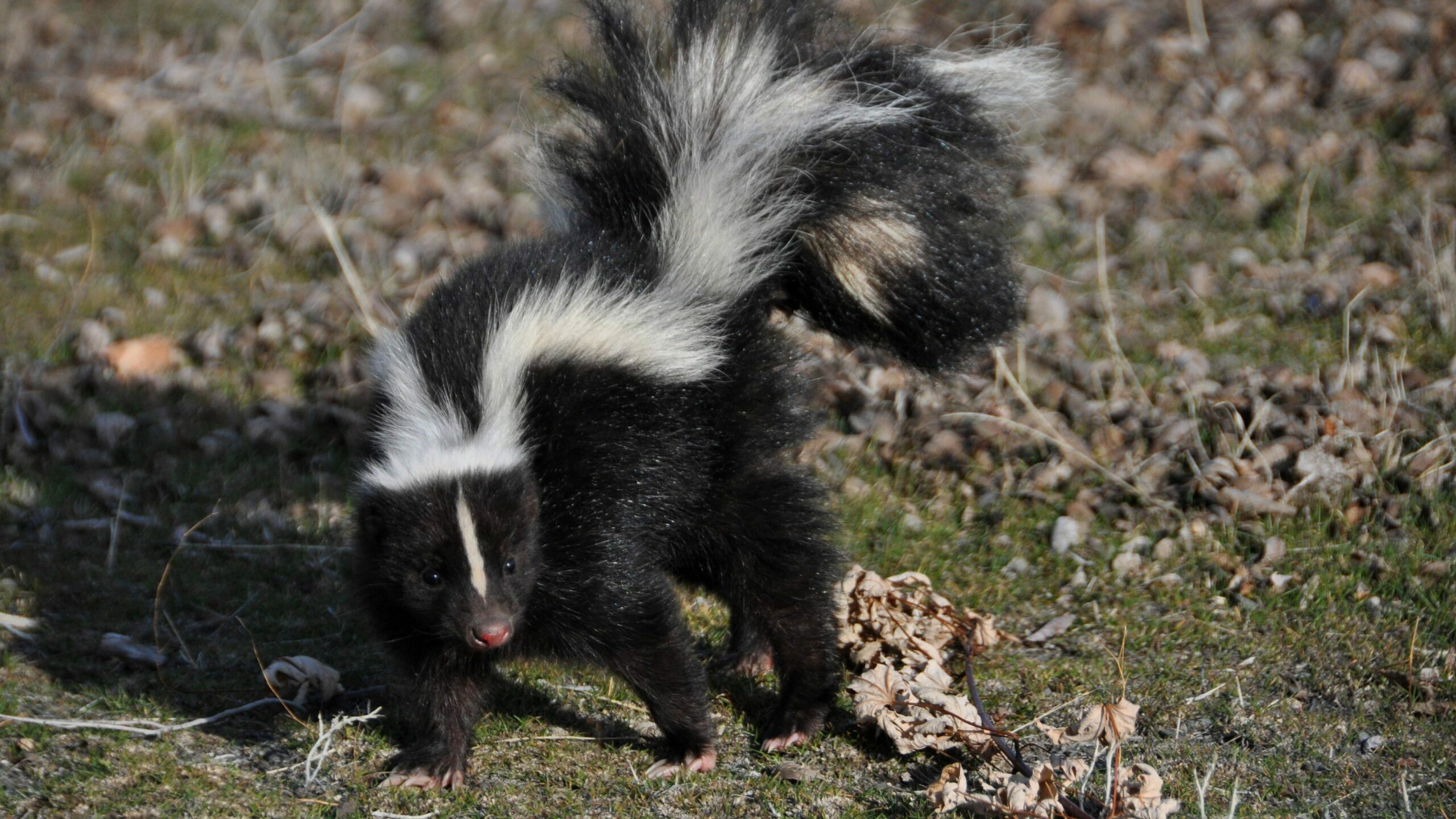
The lifespan of a skunk can vary depending on several factors such as the species, environment, and access to food and shelter. There are four main species of skunks found in North America: striped skunks, spotted skunks, hooded skunks, and hog-nosed skunks. The average lifespan of these species is around 2-3 years in the wild, but they can live up to 10 years in captivity.
One of the primary factors that can affect the lifespan of a skunk is their environment. Skunks are adaptable animals that can live in a wide range of habitats, including forests, grasslands, and suburban areas. However, their lifespan may be shorter in areas where they face more danger from predators or exposure to diseases.
Another factor that can impact the lifespan of skunks is their access to food and shelter. Skunks are omnivores that eat a variety of foods, including insects, small mammals, and plants. If they have a reliable food source, they may be able to live longer and have better overall health. Additionally, skunks require a safe place to shelter during the day, such as a den or burrow. A lack of suitable shelter can make them more vulnerable to predators and harsh weather conditions.
Interestingly, skunks have a unique defense mechanism that can help them survive in the wild. When threatened, they can release a noxious odor from their anal glands that can deter predators and other threats. This defense mechanism is so effective that skunks are rarely preyed upon by other animals, which can contribute to their longer lifespan.
In captivity, skunks can live longer than they do in the wild. This is because they have access to regular meals, safe shelter, and veterinary care. Some pet owners keep skunks as pets, which can extend their lifespan to up to 10 years or more.
It’s important to note that skunks can carry diseases such as rabies, so it’s important to avoid contact with them in the wild. If you encounter a skunk, it’s best to give it plenty of space and avoid startling or provoking it. If a skunk is acting aggressively or unusually, it may be a sign of illness or disease, so it’s important to contact a wildlife professional or animal control officer.
In conclusion, the lifespan of skunks can vary depending on several factors, including species, environment, access to food and shelter, and captivity. While skunks typically live 2-3 years in the wild, they can live up to 10 years in captivity with proper care and nutrition. Understanding these factors can help us appreciate these fascinating animals and work to protect their habitats and well-being.