Tapeworms are parasites that can infect humans and animals. They are transmitted through the ingestion of tapeworm eggs or larvae, which can be found in contaminated food or water. While tapeworms can live in the human body for years, they do not typically survive for long periods of time on surfaces outside of the body.
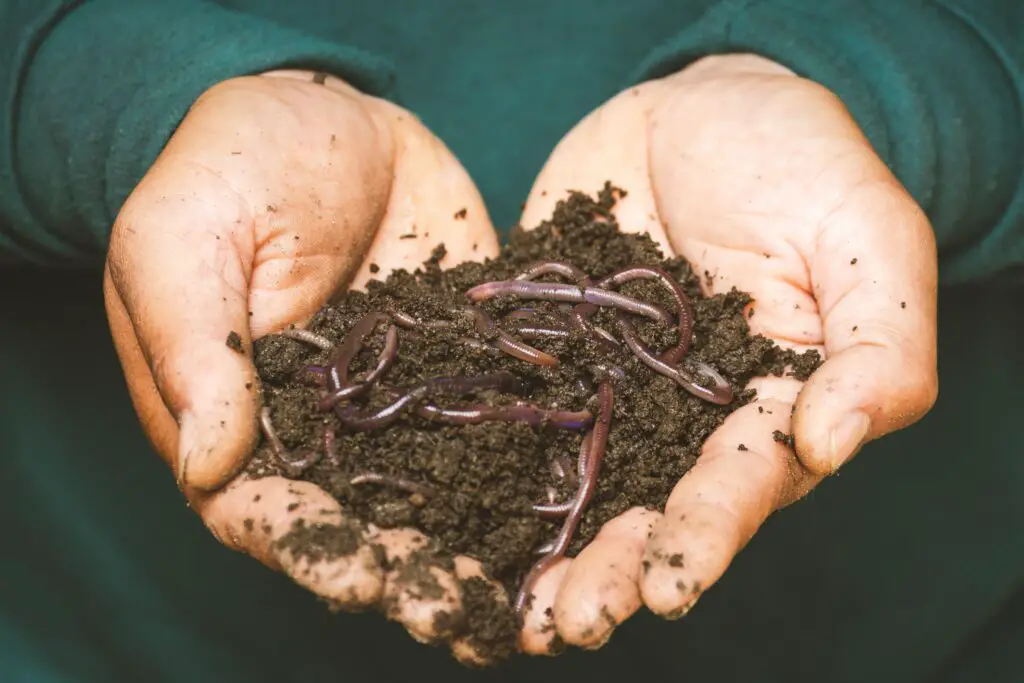
Tapeworms require a host to survive and reproduce. Once inside the body, they attach themselves to the intestinal lining and feed on nutrients from the host’s digestive system. Tapeworms can survive for years inside the body, depending on the species and the health of the host.
However, tapeworms do not typically survive for long periods of time outside of the body. Tapeworm eggs or larvae can be shed in the feces of infected individuals or animals, and can potentially contaminate surfaces in the environment. However, once outside of the body, the survival time of tapeworms is relatively short.
The survival time of tapeworms on surfaces depends on a variety of factors, such as temperature, humidity, and the type of surface. In general, tapeworms are relatively fragile and do not survive well in the environment. Studies have shown that tapeworm eggs can survive for several days to a few weeks on surfaces such as soil, grass, and vegetation. However, on hard surfaces such as countertops or floors, tapeworm eggs are unlikely to survive for more than a few hours.
In addition to environmental factors, the survival time of tapeworms on surfaces also depends on the presence of other microorganisms or predators. Tapeworm eggs or larvae may be consumed by other animals or decomposed by bacteria or fungi, which can reduce their survival time.
While tapeworms may be able to survive for short periods of time on surfaces in the environment, the risk of transmission through contaminated surfaces is relatively low. The most common mode of transmission for tapeworms is through the ingestion of contaminated food or water. It is important to practice good hygiene and food safety measures to reduce the risk of tapeworm infection.
Preventative measures for tapeworm infection include:
- Washing hands thoroughly with soap and water before handling food or eating
- Washing fruits and vegetables thoroughly before consuming
- Cooking meat to a safe temperature to kill any potential tapeworm larvae
- Using safe drinking water sources and avoiding drinking water from potentially contaminated sources
- Avoiding contact with potentially contaminated soil or feces
Overall, tapeworms do not typically survive for long periods of time on surfaces outside of the body. While the survival time of tapeworms on surfaces depends on a variety of factors, the risk of transmission through contaminated surfaces is relatively low. Practicing good hygiene and food safety measures can help reduce the risk of tapeworm infection.