Foxes are small, carnivorous mammals that are found in various parts of the world, including North America, Europe, Asia, and Africa. They are known for their bushy tails, pointed ears, and cunning behavior. The lifespan of a fox can vary depending on several factors, including species, environment, and health. In this article, we will explore how long a fox can live and what factors can impact their lifespan.
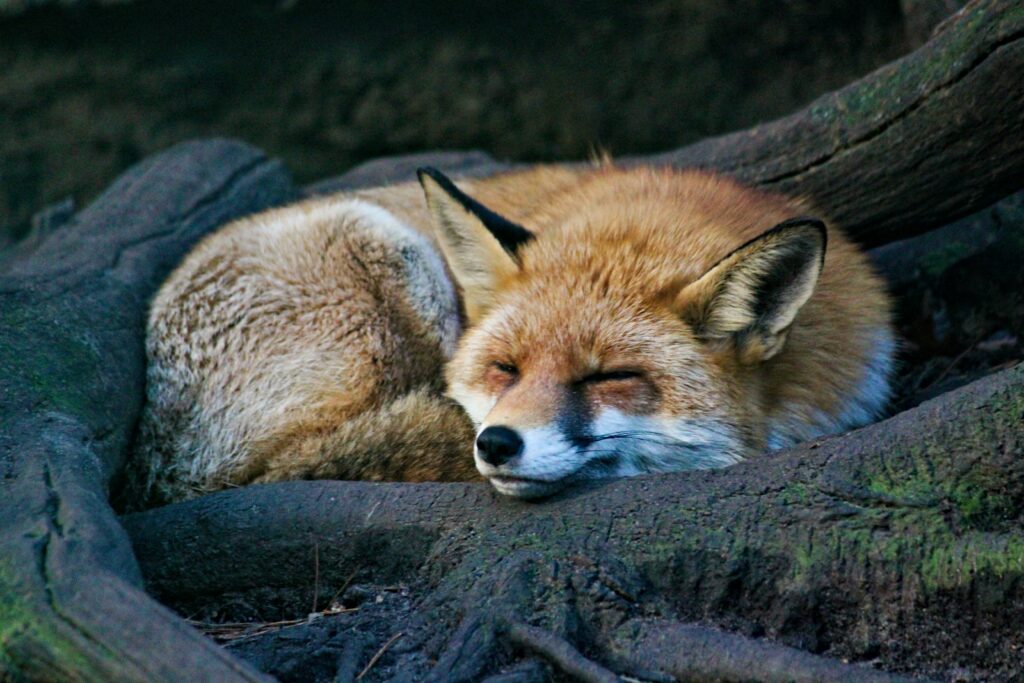
Fox Lifespan by Species
There are several species of foxes, each with their own lifespan. The red fox is the most widespread and common species of fox, and they typically live between 2-4 years in the wild. However, some red foxes have been known to live up to 14 years in captivity.
Gray foxes, which are found in North and Central America, typically live longer than red foxes. In the wild, gray foxes have an average lifespan of 3-4 years, while in captivity, they can live up to 12 years.
Arctic foxes, which are found in the Arctic regions of North America, Europe, and Asia, have a longer lifespan than many other species of foxes. In the wild, they can live up to 10 years, while in captivity, they can live up to 14 years.
Fennec foxes, which are found in the deserts of North Africa, have a shorter lifespan than other fox species. In the wild, they typically live between 3-4 years, while in captivity, they can live up to 14 years.
Factors That Impact Fox Lifespan
Several factors can impact the lifespan of a fox, including environment, diet, and health. Here are some of the main factors that can impact fox lifespan:
- Habitat and Environment: Foxes that live in harsh or challenging environments may have shorter lifespans than those that live in more hospitable environments. For example, foxes that live in areas with extreme weather conditions, such as the Arctic or desert regions, may have a shorter lifespan than those that live in more temperate climates.
- Diet: Foxes are opportunistic predators that will eat a wide variety of prey, including rodents, birds, rabbits, and insects. The quality and availability of food can impact a fox’s lifespan. In areas where food is scarce or of poor quality, foxes may have a shorter lifespan than those that have access to high-quality food sources.
- Health: Like all animals, foxes can be susceptible to disease, injuries, and other health issues that can impact their lifespan. Foxes that are exposed to diseases, such as rabies or distemper, may have a shorter lifespan than those that are not exposed. In addition, injuries from fights with other animals or accidents can also impact a fox’s lifespan.
- Human Interaction: Foxes that live in areas with high levels of human interaction, such as urban or suburban areas, may have a shorter lifespan than those that live in more remote areas. This is due to factors such as vehicle collisions, predation by domestic pets, and exposure to toxic substances.
Fox Lifespan in Captivity vs. the Wild
Foxes that are kept in captivity, such as those in zoos or as pets, can often live longer than those in the wild. This is because they have access to high-quality food, medical care, and protection from predators. In addition, captive foxes are not exposed to the same environmental and health risks as those in the wild.
However, it is important to note that keeping a fox as a pet is not recommended or legal in many areas. Foxes are wild animals that require specialized care and attention, and may not be suitable as pets for most people.