Waxing is a popular method of hair removal that involves applying wax to the skin and then removing it along with the hair from the root. The duration of how long waxing lasts can vary depending on several factors, including the individual’s hair growth cycle, the area of the body being waxed, and the type of wax used. In this article, we will explore the factors that affect the duration of waxing results and provide an overview of the typical duration of waxing effects.
Hair Growth Cycle: One of the significant factors that affect how long waxing lasts is the hair growth cycle. Hair goes through different stages of growth, including the anagen (active growth), catagen (transitional), and telogen (resting) phases. During the anagen phase, the hair is most actively growing, and the wax can effectively grip the hair from the root, resulting in longer-lasting waxing results. However, not all hair is in the anagen phase at the same time. This means that some hairs may not be effectively removed during waxing as they may be in the catagen or telogen phase. As a result, new hairs may start to grow and become visible again within a few days or weeks after waxing, reducing the overall duration of the waxing results.
Body Area: The area of the body being waxed also plays a role in how long waxing lasts. Some areas of the body, such as the face, may have faster hair growth and may require more frequent waxing sessions compared to other areas with slower hair growth, such as the legs or arms. Additionally, areas with coarser hair, such as the bikini area or underarms, may require more frequent waxing as the hair tends to be thicker and stronger, and the results may not last as long compared to areas with finer hair.
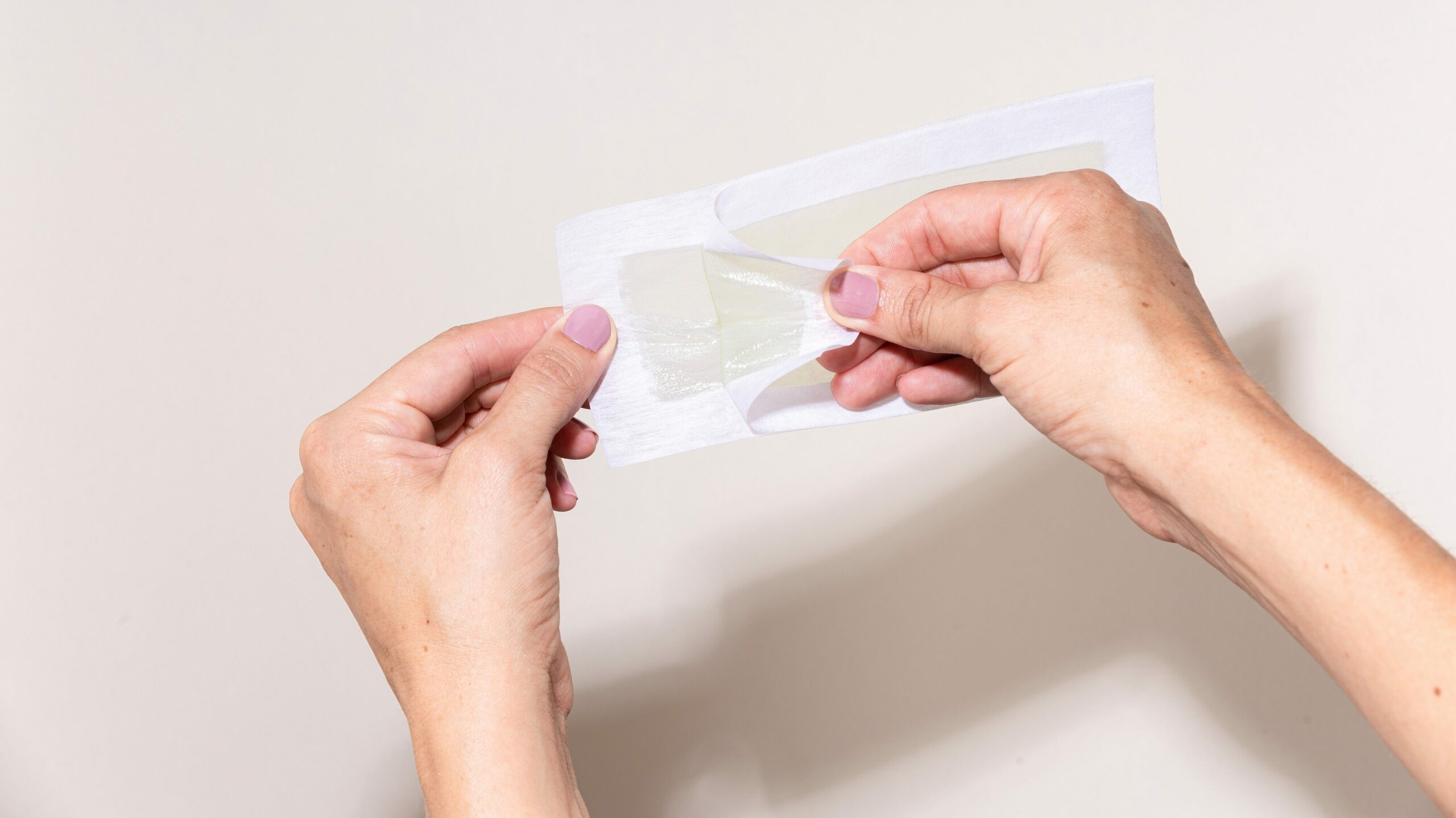
Type of Wax: The type of wax used can also impact the duration of waxing results. There are various types of wax available, including soft wax (strip wax) and hard wax (stripless wax). Soft wax requires a cloth or paper strip to be applied over the wax and then pulled off to remove the hair, while hard wax hardens on the skin and is removed without the need for a strip. Hard wax tends to be less painful and may be more effective at gripping shorter hairs, resulting in longer-lasting waxing results compared to soft wax. However, the duration of waxing results can still vary depending on factors such as hair growth cycle and body area.
Personal Factors: Personal factors, such as individual hair growth rate, skin type, and aftercare, can also affect how long waxing lasts. Some individuals may have faster or slower hair growth rates, which can impact the duration of waxing results. Additionally, individuals with certain skin types, such as sensitive skin, may experience more redness, irritation, or ingrown hairs after waxing, which can affect how long the results last. Proper aftercare, such as exfoliating regularly and moisturizing the skin, can also help extend the duration of waxing results by promoting healthy hair growth and reducing the risk of ingrown hairs.
Typical Duration of Waxing Results: In general, the duration of waxing results can vary from person to person and depends on the factors mentioned above. On average, waxing results typically last between 3 to 6 weeks. However, it’s important to note that individual results may vary, and some individuals may experience faster or slower hair regrowth. Factors such as hair growth cycle, body area, type of wax, and personal factors can all impact how long waxing lasts.
To maintain longer-lasting results, it’s important to follow proper aftercare practices. This may include avoiding hot showers or baths immediately after waxing, exfoliating the skin regularly .