Traveling one light year is a fascinating concept that many people may wonder about. A light year is the distance that light travels in a vacuum in one year. Since light travels at a speed of 299,792,458 meters per second, it is a tremendous distance. In this answer, we will discuss the distance of one light year, the fastest spacecraft we have ever launched, and how long it would take to travel one light year at various speeds.
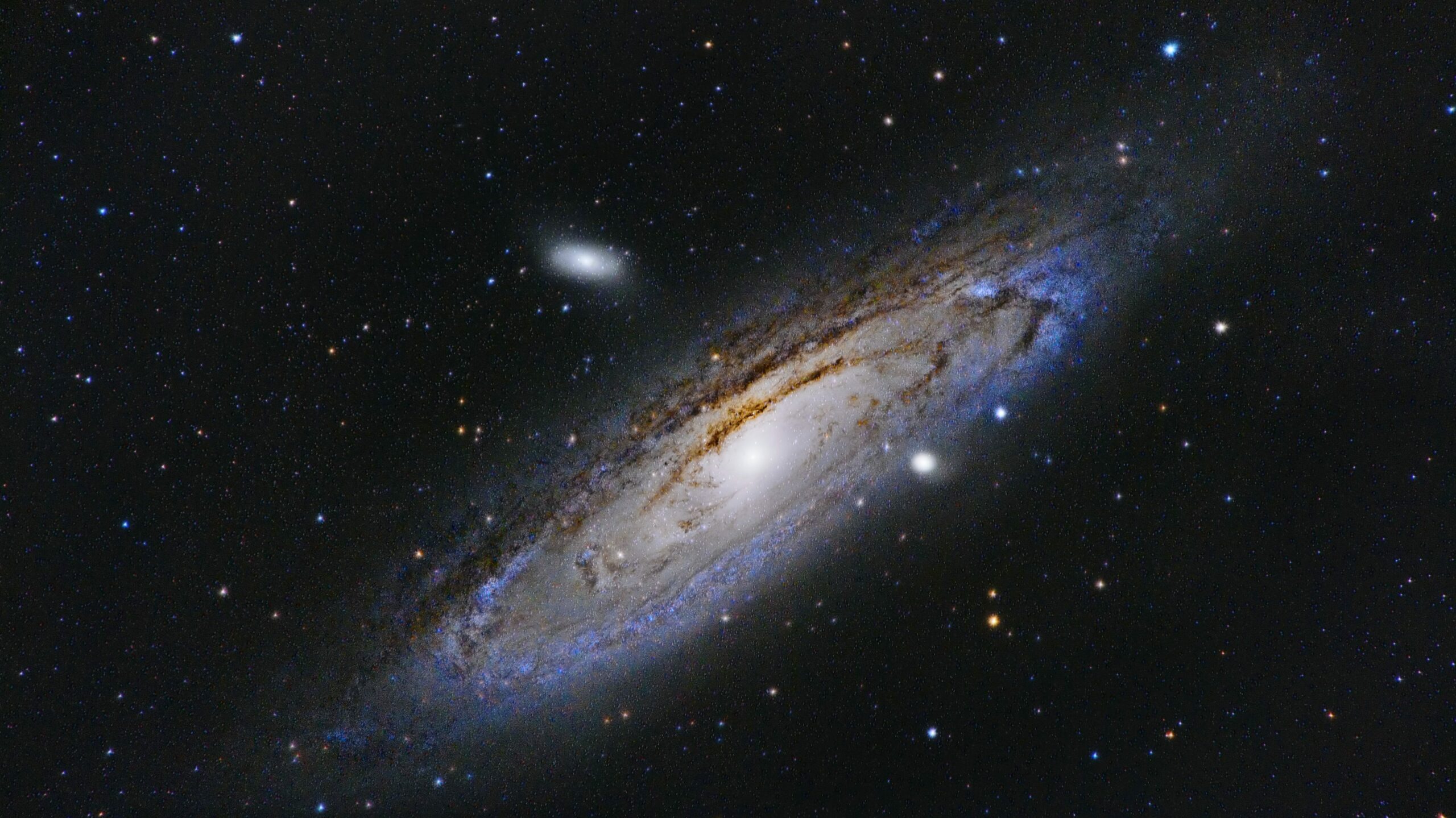
The Distance of One Light Year As mentioned earlier, one light year is the distance that light travels in a vacuum in one year. To put this into perspective, this distance is approximately 5.88 trillion miles or 9.46 trillion kilometers. It is difficult to grasp the vastness of this distance, but it is important to understand that it is an immense distance.
The Fastest Spacecraft We Have Ever Launched The fastest spacecraft we have ever launched is the Parker Solar Probe, which was launched in August 2018. It is a NASA robotic spacecraft that was designed to study the Sun. Its mission is to make a close approach to the Sun and study the solar wind, a stream of charged particles flowing from the Sun.
The Parker Solar Probe has a top speed of about 430,000 miles per hour or 700,000 kilometers per hour. At this speed, it would take the Parker Solar Probe approximately 17,630 years to travel one light year. While this speed may seem incredibly fast, it is still not nearly fast enough to travel one light year in a reasonable amount of time.
How Long Would It Take to Travel One Light Year? To travel one light year, a spacecraft would need to travel at the speed of light. Unfortunately, this is impossible as no object can travel faster than the speed of light. However, we can consider the amount of time it would take to travel one light year at various speeds.
At the speed of light, it would take one year to travel one light year. This may seem obvious, but it is important to note that this is the maximum speed at which anything can travel. No object with mass can reach this speed, which means that traveling one light year in one year is impossible.
At half the speed of light, it would take two years to travel one light year. At one-quarter the speed of light, it would take four years to travel one light year. At one-tenth the speed of light, it would take ten years to travel one light year.
As we decrease the speed at which a spacecraft travels, the time it takes to travel one light year increases. This means that traveling to other stars, even those that are relatively close to our solar system, is an incredibly difficult and time-consuming task.
The Challenges of Interstellar Travel Interstellar travel, or traveling between stars, is an area of active research and speculation. While it is currently not possible with our current technology, many scientists and engineers are working on ways to make interstellar travel a reality.
One of the biggest challenges of interstellar travel is the vast distances involved. Even traveling to the nearest star, Proxima Centauri, which is about 4.24 light years away, would take a significant amount of time. If we were able to develop technology that allowed us to travel at one-tenth the speed of light, it would take approximately 42 years to reach Proxima Centauri.
Another challenge of interstellar travel is the amount of energy required. As a spacecraft travels faster, it requires more energy to maintain that speed. This means that traveling at speeds that would allow us to reach other stars within a reasonable amount of time would require a tremendous amount of energy.
Conclusion
In conclusion, traveling one light year is an incredibly difficult task. Even the fastest spacecraft we have ever launched, the Parker Solar Probe, would take over 17,000 years to travel one light year. At current speeds, it is impossible for any object with mass to travel at the speed of light, which means that traveling one light year in one year is impossible.
To travel to other stars, we would need to develop technology that allows us to travel at much faster speeds. This would require a significant amount of energy and research, and even then, it would take many years to reach even the closest stars.
Interstellar travel is an exciting and challenging area of research, and many scientists and engineers are working to make it a reality. It is likely that in the future, we will develop technology that allows us to travel to other stars, but for now, we can only imagine what it would be like to travel one light year.