Yellowstone Ranch is a 15,000-acre property located in the heart of the Yellowstone National Park in the United States. The property was acquired by the National Park Service in the 1980s as part of a land conservation initiative to protect the park’s natural resources and wildlife.
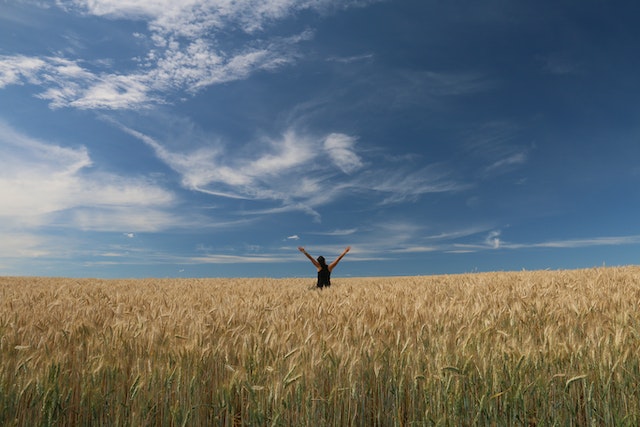
The Yellowstone Ranch was originally owned by Malcolm Forbes, the publisher of Forbes magazine. He purchased the property in the 1970s as a private retreat and used it to host lavish parties and events. Forbes also invested heavily in the property, adding luxurious amenities such as a heated pool, tennis courts, and a helipad.
After Forbes passed away in 1990, his family put the property up for sale. The National Park Service eventually purchased the ranch in 1993, after a lengthy negotiation process. The acquisition was seen as a major victory for conservationists, who were concerned about the potential impact of private development on the park’s fragile ecosystem.
Today, Yellowstone Ranch is used primarily for research and educational purposes. The property includes several cabins and buildings that are used as classrooms, dormitories, and offices by researchers, students, and park staff. The ranch is also home to a variety of wildlife, including elk, bison, and grizzly bears.
While the exact acreage of the Yellowstone Ranch is 15,000 acres, it is important to note that the property is part of a much larger ecosystem. The Yellowstone National Park encompasses more than 2.2 million acres, making it one of the largest national parks in the United States. The park is home to a wide variety of wildlife and natural features, including the famous Old Faithful geyser, the Yellowstone River, and the Grand Canyon of the Yellowstone.
The Yellowstone ecosystem is also home to several important plant and animal species that are found nowhere else in the world. For example, the park is home to the Yellowstone cutthroat trout, which is a threatened species that is found only in the park’s streams and rivers. The park is also home to several species of wolves, which were reintroduced to the ecosystem in the 1990s after being nearly wiped out in the early 20th century.
Given the importance of the Yellowstone ecosystem, there has been a great deal of controversy over the years regarding the management of the park. Some people believe that the park should be open to more commercial development, such as mining and drilling, in order to generate revenue and create jobs. Others argue that the park’s natural resources and wildlife should be protected at all costs, even if it means limiting human activity in the area.
Despite these debates, there is little doubt that the Yellowstone ecosystem is one of the most important and unique natural areas in the world. The park’s diverse array of wildlife and natural features make it a popular destination for tourists and researchers alike. And while the exact acreage of the Yellowstone Ranch may be just one small part of this larger ecosystem, it is an important reminder of the need to protect and preserve our natural resources for future generations.