There is no definitive answer to how many bodies are floating in space. However, there are several types of objects that can be considered “bodies” and are known to be present in space, including natural celestial bodies such as asteroids, comets, moons, and planets, as well as human-made objects such as spacecraft and debris.
Natural celestial bodies in space are numerous and diverse, and the exact number of such objects is difficult to estimate. There are currently over 700,000 known asteroids in our solar system alone, and the number of comets and moons is likely to be similar. Planets, of which there are eight in our solar system, are much rarer.
As for human-made objects, there are currently over 5,000 spacecraft orbiting Earth, with a large percentage of them being non-operational or inactive. Additionally, there is a significant amount of debris, such as spent rocket stages and defunct satellites, that are also in orbit around the Earth. Some of these objects will eventually re-enter the Earth’s atmosphere and burn up, but many will remain in orbit indefinitely, posing a risk to operational spacecraft.
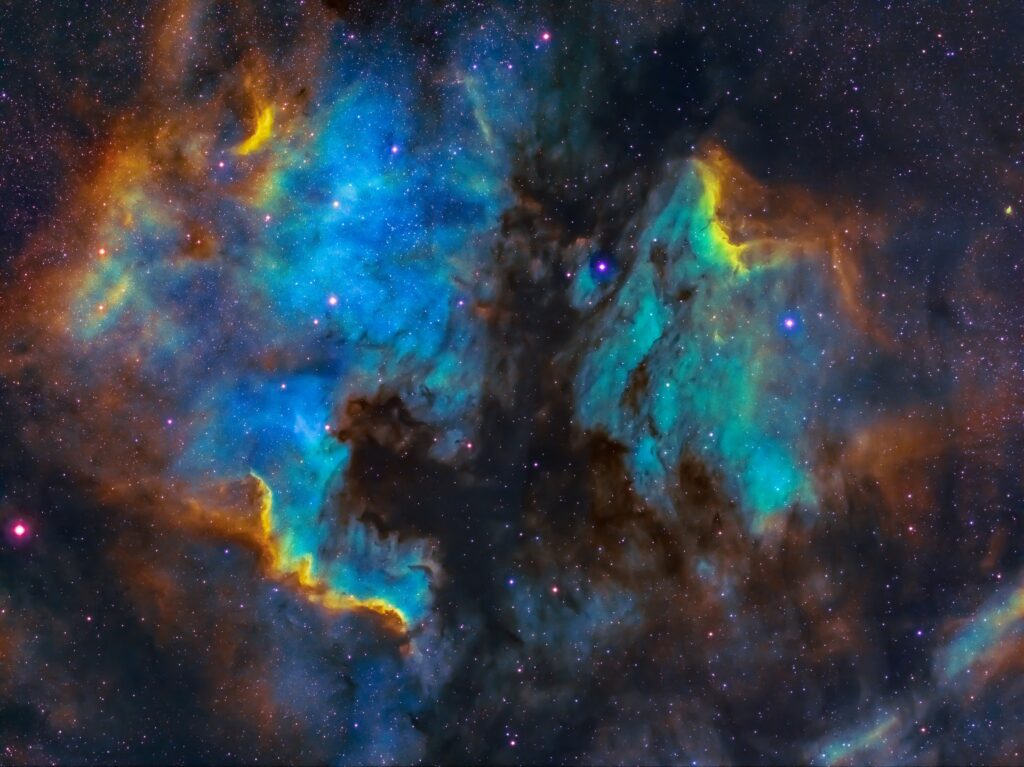
In addition to the bodies in our own solar system, there are also many bodies floating in interstellar space, which is the space between stars. These bodies are largely composed of gas and dust, and include molecular clouds, interstellar dust, and cosmic rays.
It is worth noting that the term “bodies” typically refers to solid, three-dimensional objects, and not to gases or other forms of matter. However, some sources may use the term more broadly to include all matter in space.
In summary, the number of bodies floating in space is difficult to estimate and can vary widely depending on the definition of “bodies” used. However, there are many natural celestial bodies such as asteroids, comets, and planets, as well as human-made objects such as spacecraft and debris, that can be considered “bodies” and are present in space.