The question of how many castles are in England is a difficult one to answer definitively because it depends on what is considered a castle. Castles can be defined in various ways, and there are many different types of structures that could be classified as a castle, from medieval fortresses to stately homes. However, in this answer, we will attempt to provide a comprehensive overview of the number and types of castles in England.
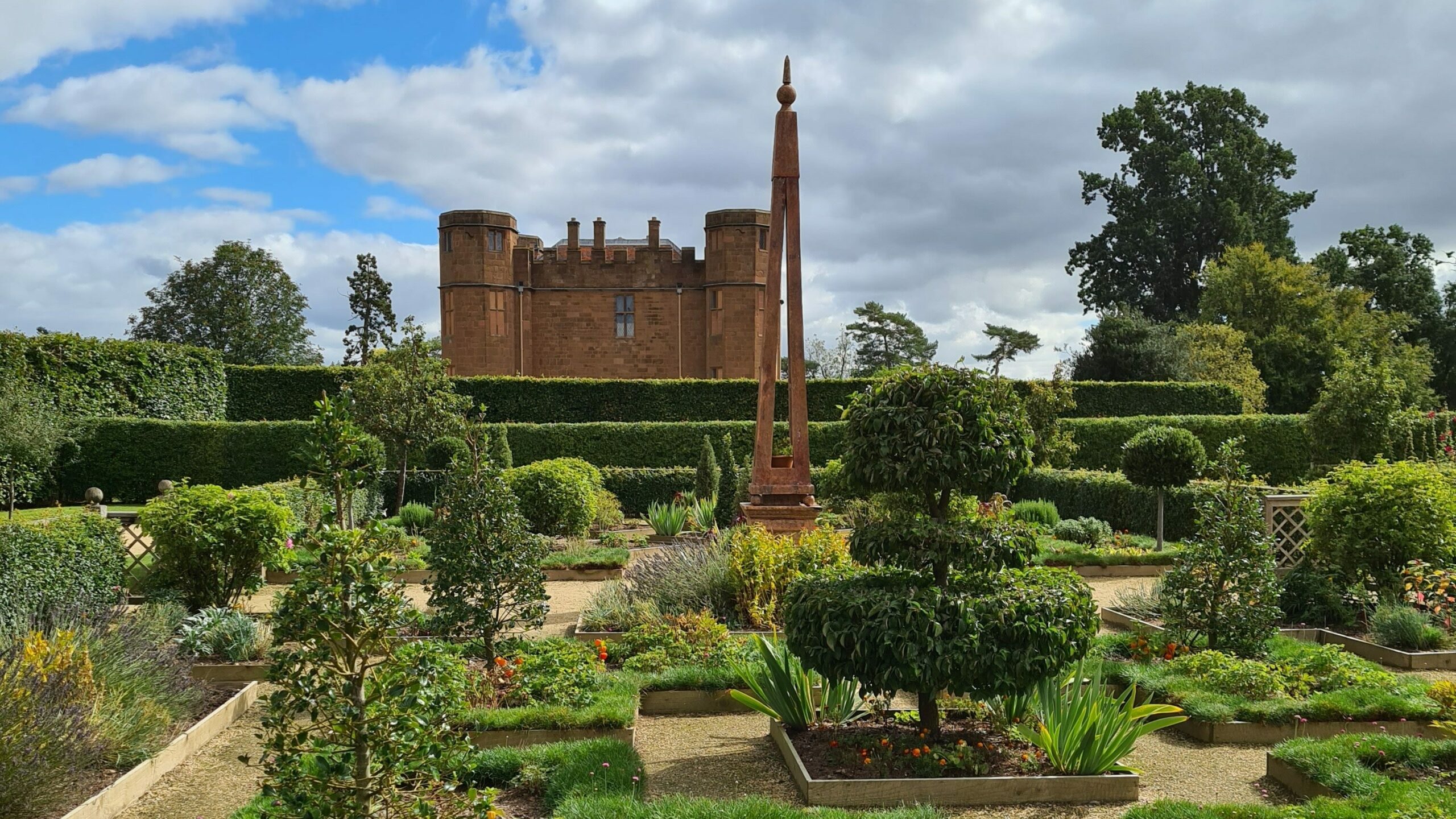
It is estimated that there are over 4,000 castles and castle sites in England, with varying degrees of preservation and historical significance. However, not all of these structures are necessarily what we would consider a traditional “castle.” Some may be small fortified manor houses, while others may be large country estates that have been fortified for defensive purposes.
In general, castles in England can be divided into several categories based on their historical context and architectural style. These categories include medieval castles, Norman castles, Tudor castles, and stately homes with castle-like features.
Medieval castles were typically built during the 11th to the 13th centuries and were designed for defensive purposes. They were usually constructed of stone, and often included features such as drawbridges, towers, and battlements. Some notable examples of medieval castles in England include the Tower of London, Dover Castle, and Warwick Castle.
Norman castles were built in England by the Normans following the Norman Conquest in 1066. These castles were often built on high ground and were designed to protect newly acquired territories. They typically included features such as motte-and-bailey fortifications and stone keeps. Some well-known examples of Norman castles in England include the castles at Chepstow, Durham, and Rochester.
Tudor castles were built during the Tudor period, which spanned from 1485 to 1603. These castles were often built as luxury residences for the wealthy and included features such as ornate gardens and decorative facades. Many Tudor castles have since been renovated and restored as stately homes, but some notable examples include Hampton Court Palace and Leeds Castle.
Stately homes with castle-like features are a category of castles that were built during the 18th and 19th centuries. These homes were built by wealthy landowners and often included features such as turrets, towers, and battlements to give the appearance of a castle. While not designed for defensive purposes, these structures still retain many of the architectural elements of traditional castles. Some examples of stately homes with castle-like features include Highclere Castle (the setting of Downton Abbey), Chatsworth House, and Blenheim Palace.
Overall, the number of castles in England is difficult to pin down due to the varying definitions of what constitutes a castle. However, it is clear that England has a rich history of castle-building, with structures ranging from small fortified manor houses to grand stately homes with castle-like features. Whether you are interested in medieval history, Norman architecture, or Tudor grandeur, there is sure to be a castle in England that will capture your imagination.