Cavities, also known as dental caries, are a common dental problem that affects many adults. They are areas of tooth decay that can cause pain, sensitivity, and infection if left untreated. While it is difficult to say how many cavities are “normal” for a 30-year-old, there are factors that contribute to their development and steps that can be taken to prevent them.
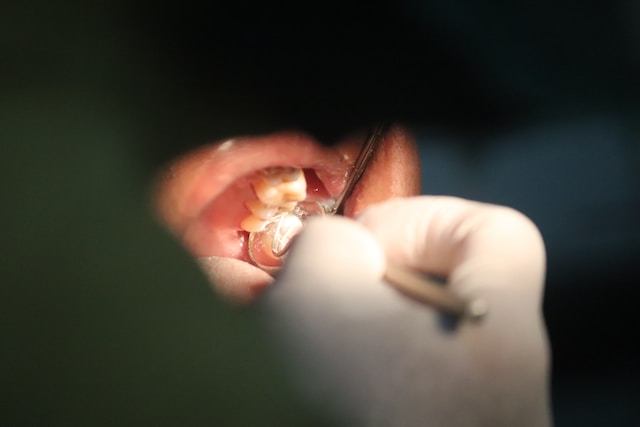
Factors that contribute to cavities include genetics, diet, oral hygiene habits, dry mouth, and lack of fluoride. Some people may be more prone to cavities due to inherited factors such as enamel thickness and saliva composition. Consuming sugary or starchy foods and drinks can increase the amount of acid in the mouth, leading to tooth decay. Not brushing and flossing regularly can allow plaque to build up on the teeth, which can eventually lead to cavities. Having a dry mouth can increase the risk of cavities because saliva helps to neutralize acid and wash away food particles. Additionally, some people may not have access to fluoridated water or dental products, which can help to strengthen tooth enamel and prevent cavities.
There are several steps that can be taken to prevent cavities from developing. These include brushing and flossing regularly, eating a healthy diet, drinking water after meals and snacks, using fluoride toothpaste and mouthwash, and visiting the dentist regularly. Brushing twice a day and flossing at least once a day can remove plaque and food particles from the teeth, reducing the risk of cavities. Limiting sugary and starchy foods and drinks can help to reduce the amount of acid in the mouth. Eating foods that are high in calcium, such as dairy products and leafy greens, can also help to strengthen tooth enamel. Drinking water after meals and snacks can help to wash away food particles and neutralize acid. Using fluoride toothpaste and mouthwash can help to strengthen tooth enamel and prevent cavities. Regular dental check-ups and cleanings can help to catch cavities early and prevent them from worsening.
In conclusion, cavities are a common dental problem that can be prevented with good oral hygiene habits, a healthy diet, and regular visits to the dentist. While it is difficult to say how many cavities are “normal” for a 30-year-old, there are factors that contribute to their development, including genetics, diet, oral hygiene habits, dry mouth, and lack of fluoride. By taking steps to prevent cavities from developing, individuals can maintain good oral health and avoid the pain and discomfort associated with tooth decay.