According to the biblical account in the Book of Genesis, Adam and Eve, the first human beings, had three named children: Cain, Abel, and Seth. However, the Bible also suggests that Adam and Eve had other children who are not specifically named.
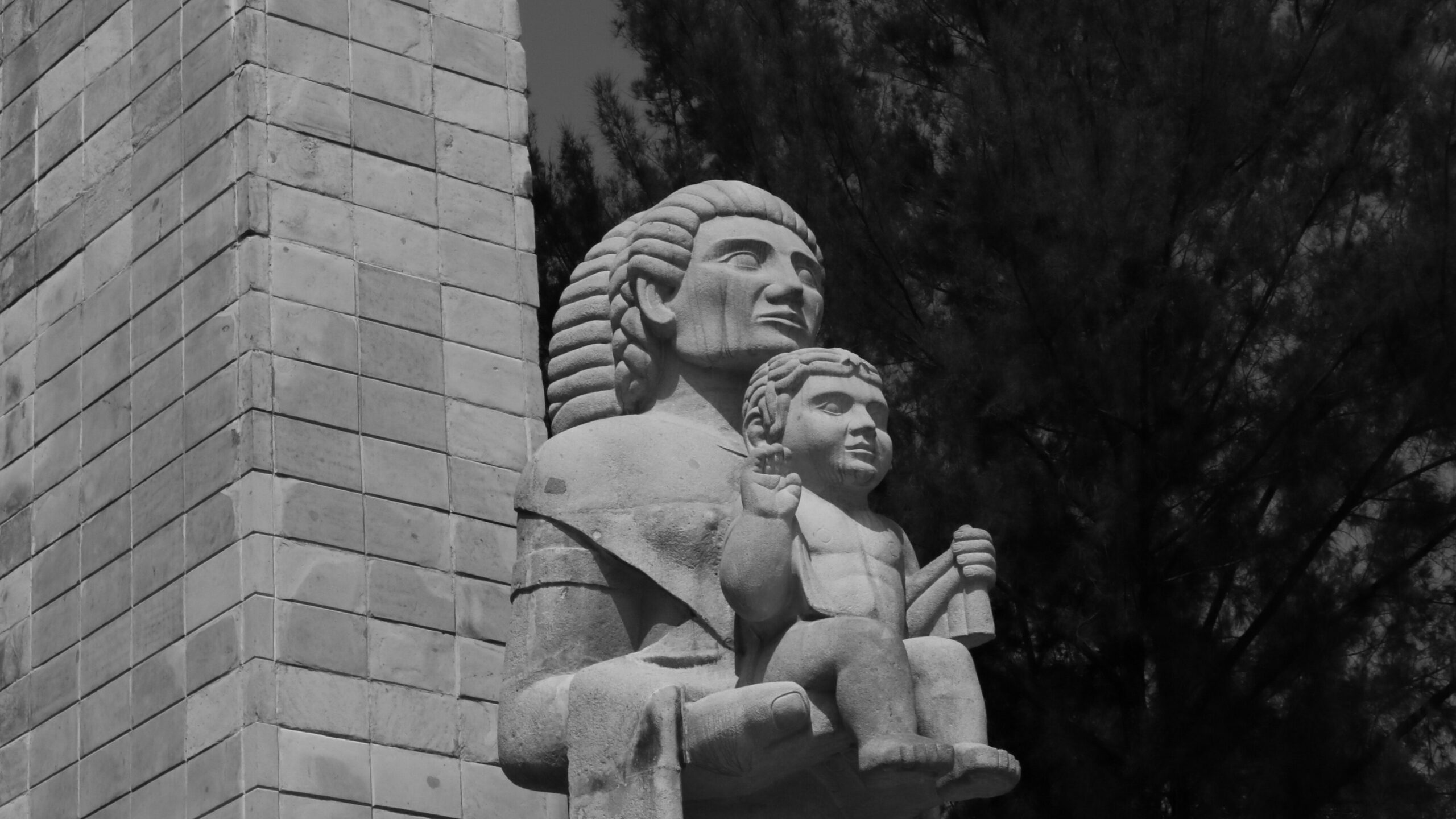
In Genesis 4:1-2, it is stated that Adam and Eve had two sons, Cain and Abel. Cain became a farmer, while Abel became a shepherd. The two brothers made offerings to God, but God accepted Abel’s offering and rejected Cain’s, which led to Cain becoming angry and ultimately killing his brother.
After Cain was banished from the family, Eve gave birth to another son, Seth. Seth became the ancestor of Noah and ultimately, through Noah’s descendants, to the Jewish people and Jesus Christ.
While the Bible does not specifically mention any other children born to Adam and Eve, there are some passages that suggest that there may have been others. For example, in Genesis 5:4, it is stated that Adam had other sons and daughters, but their names are not provided.
The exact number of children born to Adam and Eve is unknown, and the Bible does not provide a complete genealogy of their descendants. However, various traditions and interpretations have arisen over the centuries that attempt to fill in the gaps.
Some traditions hold that Adam and Eve had many children, perhaps even hundreds or thousands, and that their descendants eventually populated the earth. Others suggest that Cain and Abel were not the first children born to Adam and Eve, but were the first named children born after the Fall. Still, others interpret the biblical account more symbolically, seeing Adam and Eve as representative of all humanity rather than as literal individuals.
Some biblical scholars believe that Adam and Eve had more children than just Cain, Abel, and Seth. According to Genesis 5:4, Adam had other sons and daughters after Seth was born. This suggests that Adam and Eve had a large family, but the Bible does not provide any more details about these other children.
Some scholars argue that the story of Adam and Eve is a myth and should not be taken literally. They suggest that the story was created as a way of explaining the origin of humanity and the relationship between humans and God. In this view, the number of children Adam and Eve had is not important, as the story is meant to be understood as a metaphor or allegory rather than a historical account.
Other scholars take a more literal approach and believe that the story of Adam and Eve is based on historical events. According to this view, Adam and Eve were real people who lived in a specific time and place. Some of these scholars suggest that Adam and Eve had many children, possibly dozens or even hundreds. However, there is no evidence to support this claim, and it remains purely speculative.
In addition to the biblical account, there are other sources that mention Adam and Eve and their offspring. For example, the Book of Jubilees, a Jewish religious text from the second century BCE, mentions the names of several of Adam’s children, including Awan, Azura, and Lebuda. However, the authenticity of the Book of Jubilees is disputed, and it is not considered a reliable historical source.
Another source that mentions Adam and Eve’s children is the Quran, the holy book of Islam. However, the Quran does not provide any specific details about the number of children Adam and Eve had, and the story of their creation is somewhat different from the biblical account.
In conclusion, the question of how many children Adam and Eve had is a subject of much debate and speculation. While the Bible mentions three sons, some scholars believe that they had many more children, while others suggest that the story should not be taken literally. Ultimately, the answer to this question may never be known, as there is no concrete evidence to support any particular theory. Regardless of the number of children they had, the story of Adam and Eve remains an important part of religious and cultural history, and continues to inspire debate and discussion to this day.