Determining the exact number of colors is a difficult task as it largely depends on how one defines “color” and the method used to classify them. Nevertheless, we can discuss some ways that colors are organized and attempt to provide a general response.
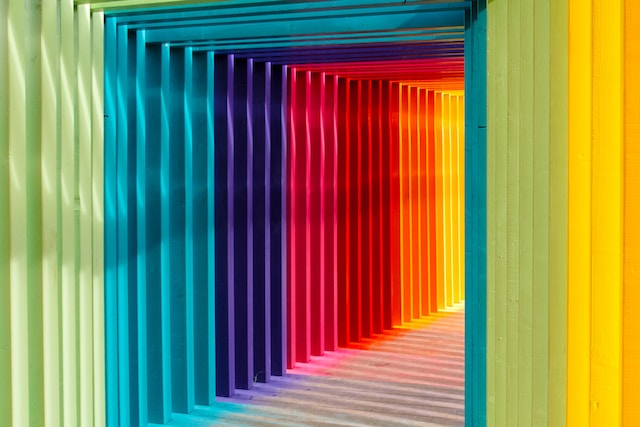
One approach to categorizing colors is based on the visible spectrum of light, which is the range of electromagnetic radiation detectable by the human eye. When separated and viewed as distinct colors, the spectrum consists of red, orange, yellow, green, blue, indigo, and violet. However, this is just one system of classification, as there are several others, including additive and subtractive color models that employ different techniques to create and organize colors. For instance, the RGB color model forms colors by mixing various quantities of red, green, and blue light and is frequently utilized in digital displays like computer monitors and televisions. On the other hand, the CMYK color model generates colors by subtracting diverse amounts of cyan, magenta, and yellow ink from a white background, which is common in printing.
Apart from these models, there are additional ones that group colors based on factors like hue, saturation, and brightness, and these can encompass a broad range of colors, including shades and tones that may not be included in traditional rainbow spectrums. Additionally, cultural and linguistic contexts can also impact how colors are classified. Different cultures can have different words or classifications for colors, depending on their traditions and beliefs. For example, some languages have fewer basic color terms than others, which can affect how colors are perceived and classified.
In conclusion, the number of colors that exist is difficult to define and is subjective, depending on the system used to organize them and the cultural and linguistic context in which they are classified. Although the visible spectrum of light typically comprises seven colors, other color models can encompass a wider range of colors. Ultimately, color is a continuous spectrum, and it may be more practical to view it as such rather than as discrete categories.