Pigs are domesticated animals and are commonly raised for meat production. They are also kept as pets in some households. While pigs are generally not considered dangerous, there have been instances where pigs have caused injuries and fatalities to humans, although such incidents are relatively rare.
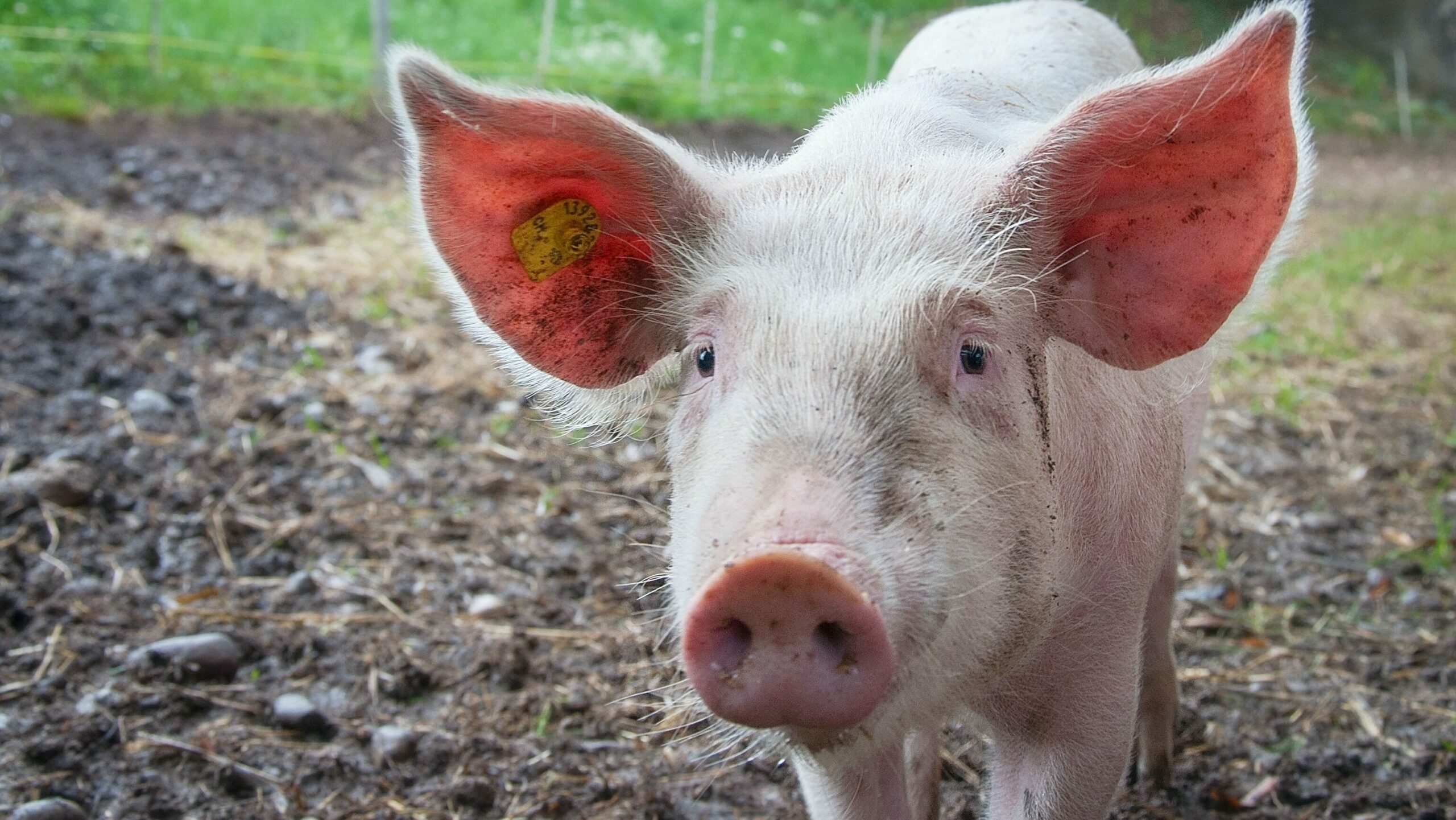
One of the most notable causes of deaths related to pigs is accidental injuries caused by handling or working with pigs. Pigs are large and powerful animals that can weigh hundreds of pounds, and they have strong jaws and sharp teeth. When not properly handled or restrained, pigs can cause injuries such as bites, scratches, and bruises, which can be severe or even fatal in some cases. In particular, workers in the agricultural and farming industry who handle pigs on a daily basis may be at higher risk of accidents and injuries.
Another potential cause of deaths related to pigs is zoonotic diseases. Pigs can carry various diseases that can be transmitted to humans, including through direct contact, ingestion of contaminated food or water, or inhalation of airborne particles. For example, swine influenza (commonly known as “swine flu”) is a respiratory disease caused by influenza viruses that can be transmitted from pigs to humans. In some cases, swine flu has resulted in severe respiratory illness and even death in humans. Other zoonotic diseases associated with pigs include leptospirosis, brucellosis, and hepatitis E, although these are relatively rare.
It’s also worth noting that pigs can sometimes exhibit aggressive behavior, especially when they feel threatened or scared. In some cases, such as when pigs are not properly socialized or are kept in stressful environments, they may display aggressive behavior towards humans or other animals, which can result in injuries or fatalities.
In addition to accidental injuries and zoonotic diseases, there have been cases where pigs have caused deaths due to attacks. While such incidents are rare, they can occur in situations where pigs are not properly contained or restrained, and they may pose a risk to humans who come into close proximity with them.
It’s important to note that the vast majority of pigs do not pose a threat to humans and are raised and managed in a safe manner by farmers and animal handlers. There are strict regulations and guidelines in place in many countries to ensure the welfare and safety of both humans and animals in pig farming operations. However, accidents and incidents involving pigs can still occur, and it’s essential to take appropriate precautions when handling or working with pigs to minimize the risk of injuries or fatalities.
In conclusion, while pigs are generally not considered dangerous animals, there have been cases where pigs have caused injuries and fatalities to humans. These incidents can occur due to accidental injuries during handling, zoonotic diseases, aggressive behavior, or attacks. However, such incidents are relatively rare, and the vast majority of pigs are raised and managed safely by farmers and animal handlers. It’s important to follow appropriate safety measures and guidelines when working with pigs to minimize the risk of accidents and injuries.