The number of debit cards one should have is a personal choice and depends on individual circumstances. There is no one-size-fits-all answer to this question as it can vary from person to person. However, in this article, we will explore the factors that can help you determine the ideal number of debit cards for your specific needs.
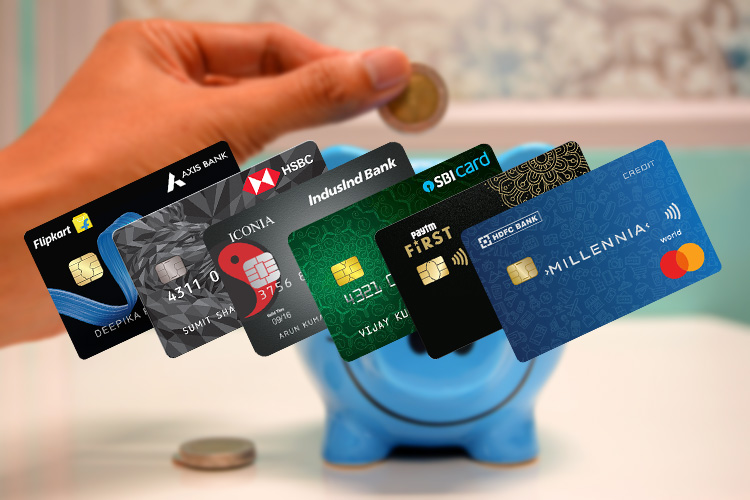
First and foremost, it is essential to understand what a debit card is and how it works. A debit card is a plastic card that allows you to access funds from your bank account. When you make a purchase using a debit card, the funds are automatically deducted from your account balance. Unlike a credit card, you cannot spend more than what you have in your account, which means that a debit card can help you stay within your budget.
Now let’s discuss some factors that can help you determine the number of debit cards you should have.
- Convenience: One of the most significant advantages of having multiple debit cards is the convenience factor. If you have multiple bank accounts, it may make sense to have a debit card for each account to access your funds easily. This way, you don’t have to transfer funds from one account to another, which can take time.
Moreover, if you frequently travel, having multiple debit cards from different banks can be beneficial. It can help you avoid any issues if your primary card is lost or stolen or if it doesn’t work in a foreign country. Having a backup debit card can provide peace of mind and ensure that you have access to your funds when you need them.
- Budgeting: Another factor to consider when deciding how many debit cards to have is budgeting. Having separate debit cards for different categories of expenses, such as groceries, entertainment, or gas, can help you keep track of your spending. You can set a budget for each category and use the corresponding debit card for that expense. This way, you can avoid overspending and stay within your budget.
- Rewards and perks: Some debit cards offer rewards and perks such as cashback, discounts, or reward points. If you have multiple debit cards, you can choose the one that offers the most significant benefits for a specific category of expenses. For example, if you frequently dine out, you may choose a debit card that offers cashback or reward points for restaurant purchases. Similarly, if you travel frequently, you may choose a debit card that offers discounts on flights or hotels.
- Security: Having multiple debit cards can also enhance your security. If your primary debit card is compromised, having a backup card can ensure that you have access to your funds while the issue is resolved. Additionally, you can use one debit card for online purchases and another for in-person transactions. This way, if your online card is compromised, your other card is still secure.
- Fees: It is essential to consider the fees associated with having multiple debit cards. Some banks may charge an annual fee for each debit card or transaction fees for using an out-of-network ATM. Before deciding on the number of debit cards you need, it is essential to consider the fees associated with each card and the potential savings or benefits.
In conclusion, there is no definitive answer to the question of how many debit cards one should have. It depends on individual circumstances and factors such as convenience, budgeting, rewards, security, and fees. It is crucial to evaluate your specific needs and determine the number of debit cards that will best suit your financial goals and lifestyle. Remember that having multiple debit cards can be beneficial, but it can also lead to overspending and unnecessary fees if not used wisely.