The concept of generations is not fixed and can vary depending on cultural, social, and historical contexts. However, as a general rule, a generation is typically considered to be around 25 years long. Therefore, in 100 years, there would be approximately four generations.
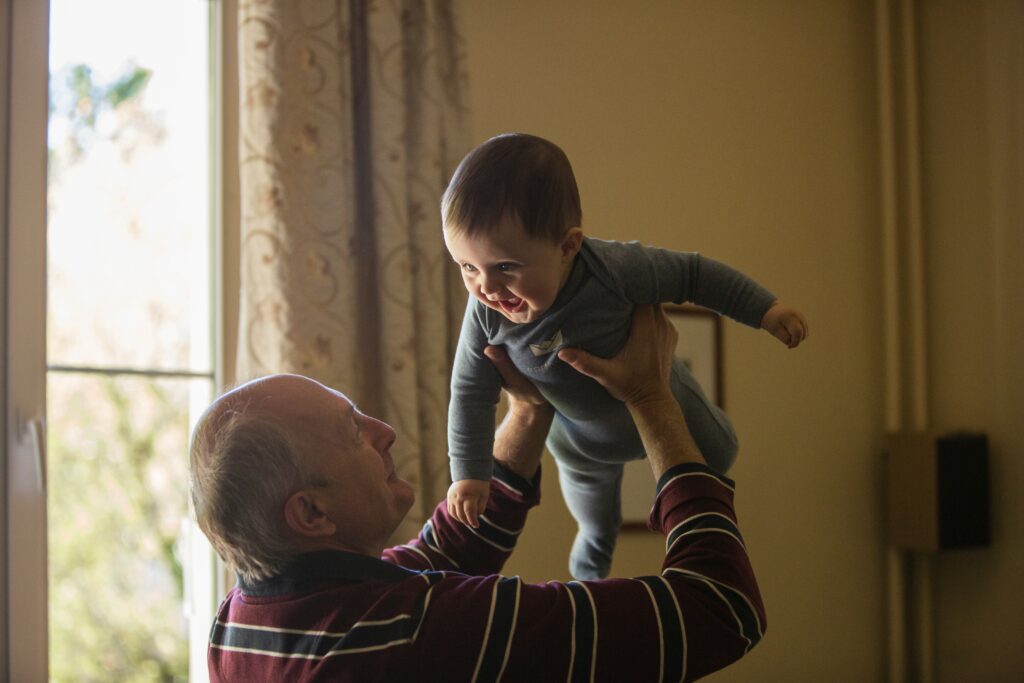
The concept of generations is often used to describe the differences and similarities between people who were born around the same time and who grew up during the same cultural and historical context. Different generations can have distinct values, attitudes, beliefs, and behaviors that reflect the experiences and challenges they faced during their formative years.
The generation that was born between 1925 and 1945 is commonly known as the “Silent Generation” because they were born during the Great Depression and World War II, and they were raised to be stoic, hard-working, and loyal to institutions. This generation witnessed significant changes in technology, communication, and social norms during their lives, such as the rise of television, the Civil Rights Movement, and the Vietnam War.
The generation that was born between 1946 and 1964 is known as the “Baby Boomers” because of the significant increase in births that occurred after World War II. This generation grew up during the postwar economic boom and enjoyed unprecedented prosperity and opportunities for education and career advancement. The Baby Boomers were known for their idealism, activism, and cultural revolution, such as the Civil Rights Movement, the feminist movement, and the counterculture of the 1960s.
The generation that was born between 1965 and 1980 is commonly known as “Generation X” because they were born after the Baby Boomers and before the Millennials. This generation grew up during a period of economic recession, global instability, and rapid technological change, which shaped their worldview and attitudes towards work, family, and society. Generation Xers were known for their independence, skepticism, and adaptability, as well as their preference for alternative lifestyles and music.
The generation that was born between 1981 and 1996 is known as the “Millennials” because they came of age during the turn of the millennium and the digital revolution. This generation grew up with access to the internet, smartphones, and social media, which changed the way they communicate, learn, and interact with the world. Millennials are known for their diversity, creativity, and social consciousness, as well as their struggles with debt, job insecurity, and housing affordability.
The concept of generations is not a precise science, and there can be significant overlap and variation within and between different generations. Furthermore, the characteristics of each generation can evolve and change over time, depending on the cultural, social, and historical context. Therefore, it is important to view generational differences and similarities as a complex and dynamic phenomenon that requires careful analysis and interpretation.
In conclusion, in 100 years, there would be approximately four generations, each with its unique values, attitudes, beliefs, and behaviors. The Silent Generation, Baby Boomers, Generation X, and Millennials represent different historical and cultural contexts that shaped their worldview and experiences. Understanding the dynamics of generational change is essential for social scientists, policymakers, and individuals who seek to navigate the complexities of our rapidly changing world.