Zeus, the king of the Greek gods and the ruler of the heavens, was known for his numerous love affairs and offspring. According to Greek mythology, Zeus had a multitude of children, with various gods, goddesses, and mortal women as his partners. The exact number of Zeus’s children is debated among different myths and sources. But he was believed to have fathered over a hundred children. In this essay, we will explore the different accounts of Zeus’s offspring, their names, and the circumstances of their birth.
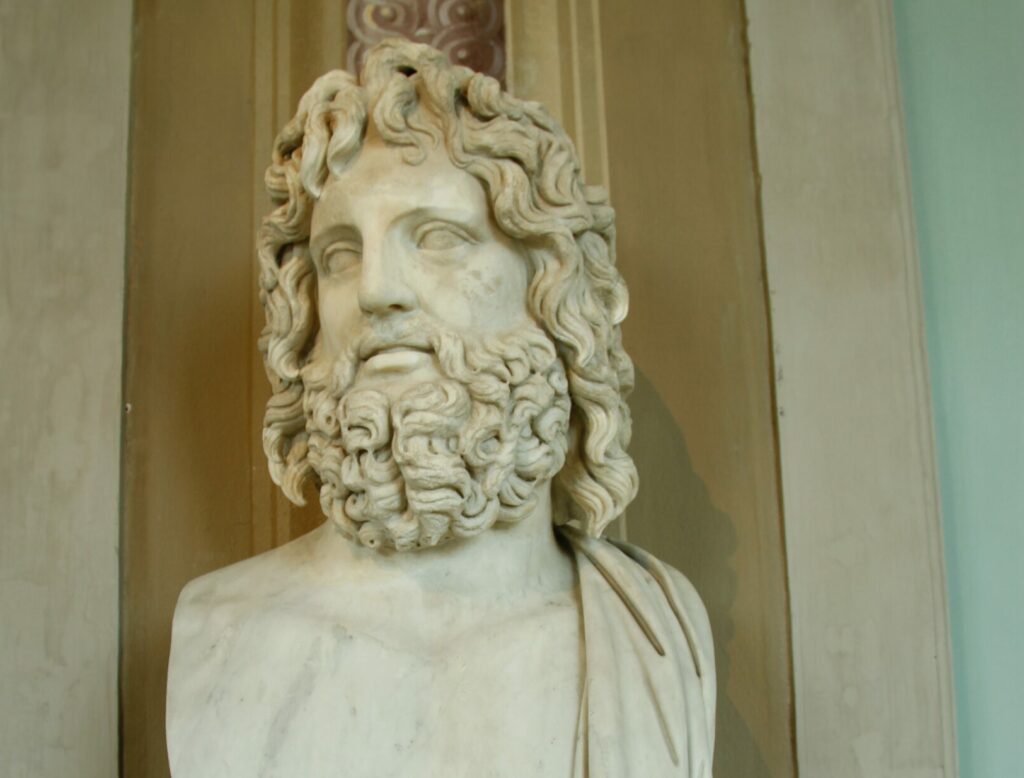
Zeus was married to his sister, Hera, who was also his queen. Despite his marriage, Zeus was notorious for his infidelity and had many affairs with other goddesses, nymphs, and mortal women. Some of the most famous and powerful children of Zeus were born from these extramarital relationships. One of his most well-known children was Athena, the goddess of wisdom and warfare. According to Greek mythology, Athena was born from Zeus’s forehead fully grown and armored, without a mother. Making her one of the most unique and significant offspring of Zeus.
Another prominent child of Zeus was Apollo, the god of music, poetry, prophecy, and healing. Apollo was born to Leto, a Titaness, who was impregnated by Zeus. Apollo’s twin sister, Artemis, the goddess of the hunt, was also born to Leto and was considered one of Zeus’s children as well. Other major gods and goddesses who were believed to be offspring of Zeus include Hephaestus. The god of fire and blacksmithing; Dionysus, the god of wine and festivities; and Perseus, the hero known for slaying Medusa and founding the city of Mycenae.
Apart from the gods and goddesses, Zeus was also believed to have fathered numerous demigods or mortal offspring. One of the most famous demigods was Heracles, also known as Hercules, who was the son of Zeus and Alcmena, a mortal woman. Heracles was known for his incredible strength. Performed twelve labors as a penance for killing his wife and children in a fit of madness caused by Hera, Zeus’s wife and Heracles’s stepmother.
Zeus was also known for his relationships with mortal women and fathering children with them. Some of the mortal women who were believed to have borne Zeus’s children include Leda, Europa, Danae, and Maia, among others. According to mythology, Zeus transformed himself into various animals and seduced these mortal women. For example, Zeus transformed into a swan to seduce Leda and fathered Helen of Troy and Pollux as a result. Similarly, Zeus transformed into a golden rain to impregnate Danae, who gave birth to Perseus.
In addition to the major and well-known children, Zeus was also believed to have numerous other offspring who were lesser-known gods, goddesses, and mortal heroes. Some of these lesser-known children include Helen of Troy. The mortal woman who was believed to be the cause of the Trojan War. Helen’s brothers, Castor and Pollux, who were known as the Dioscuri and became the constellation Gemini in the sky. Helen’s sister, Clytemnestra, who was married to Agamemnon and played a significant role in the Greek epic cycle.
It is worth noting that Zeus’s relationships and offspring were not always welcomed by his wife Hera. Who was known for her jealousy and wrath towards her husband’s infidelity. Hera often pursued Zeus’s illegitimate children and their mothers with anger and vengeance, causing them various hardships and trials. These stories of Hera’s wrath towards Zeus’s children were used by the ancient Greeks to explain natural phenomena such as thunderstorms, lightning.