Korean mythology is a fascinating and complex subject, rich with a diverse pantheon of gods and goddesses, spirits and deities. However, the number of Korean gods and goddesses is difficult to pinpoint, as they are not considered fixed entities with clearly defined characteristics. Rather, many of them are fluid, with overlapping domains and ever-evolving roles within Korean folklore and religion.
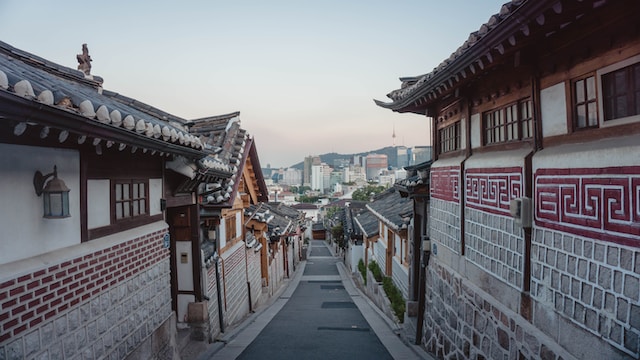
In traditional Korean belief systems, there are three major sources of spiritual influence: shamanism, Buddhism, and Confucianism. Shamanism is the oldest form of Korean spirituality and is characterized by the belief in spirits and ghosts, as well as the practice of divination and trance rituals. Buddhism was introduced to Korea from China in the 4th century CE and became one of the dominant religions in the country. Confucianism, with its emphasis on social order and ethical behavior, also influenced Korean religious beliefs and practices.
The Heavenly Realm is the uppermost realm of Korean mythology, and there are several gods and goddesses considered to be supreme beings. One of the most important is Hwanin, the lord of heaven, who is said to have created the world and all its inhabitants. Hwanin’s son, Hwanung, is also revered as a deity in his own right. He is believed to have descended from heaven to earth and founded the first Korean kingdom, Gojoseon. Other notable gods in the heavenly realm include Dangun, the founder of Gojoseon and considered the first ruler of Korea; Chilseong, the Seven Stars god who presides over the seven stars of the Big Dipper; and Cheonjiwang, the king of heaven who judges the souls of the dead.
The Earthly Realm is home to a wide range of gods and goddesses, many of whom are associated with natural phenomena or specific places. One of the most revered is Sanshin, the mountain god, who is worshipped throughout Korea for his role as protector of the land and its people. Other notable gods and goddesses in the earthly realm include Jowangshin, the god of agriculture and fertility; Haesindang, the sea goddess who protects fishermen and sailors; and Dokkaebi, the mischievous spirits that inhabit the Korean countryside and are known for their love of pranks.
The Korean underworld, known as Jiguk, is ruled by Yeomra, the king of the dead. He is assisted by a number of gods and goddesses who are responsible for various aspects of the afterlife. One of the most important of these deities is Jumong, the god of rebirth, who oversees the reincarnation process for souls in the underworld. Another key figure is Jeoseung, the goddess of the underworld who judges the souls of the dead and determines their final fate.
In addition to these primary domains, there are also a number of gods and goddesses in Korean mythology who are associated with specific concepts or themes. For example, there is the goddess of childbirth, Jowang, who is worshipped by pregnant women seeking a safe delivery. There is also the god of fire, Goma, who is often invoked during traditional Korean ceremonies.
Overall, the number of Korean gods and goddesses is difficult to pin down, as they are fluid entities with overlapping domains and ever-evolving roles within Korean folklore and religion. Nevertheless, these deities have played an important role in shaping Korean culture and spirituality for centuries and continue to be revered and celebrated today.
In conclusion, Korean mythology is a fascinating and complex subject, filled with a diverse pantheon of gods and goddesses, spirits and deities. The number of Korean gods and goddesses is difficult to pinpoint, as they are not fixed entities with clearly defined characteristics.