Pistachios are a delicious and nutritious snack that has become increasingly popular in recent years. They are packed with essential nutrients, including protein, fiber, healthy fats, and a range of vitamins and minerals. Pistachios are also low in calories, making them an ideal snack for those who are watching their weight.
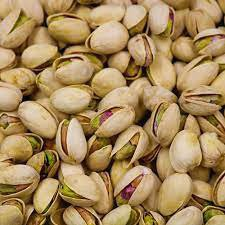
The question of how many pistachios one should eat per day is a common one, and there is no one-size-fits-all answer. The number of pistachios you should consume each day will depend on a variety of factors, including your age, sex, weight, and activity level.
According to the United States Department of Agriculture (USDA), one serving of pistachios is equal to 1 ounce, or about 49 pistachios. The USDA also recommends that adults consume 5-6 servings of nuts and seeds per week as part of a healthy diet. Based on this recommendation, you could eat up to 6 servings of pistachios per week, or about 294 pistachios.
However, it is important to note that this recommendation is based on average calorie intake and may not be appropriate for everyone. If you are trying to lose weight or maintain a healthy weight, you may need to adjust your intake of pistachios and other nuts accordingly.
In general, pistachios are a healthy snack choice, but like any food, they should be consumed in moderation. While pistachios are low in calories and high in nutrients, they are also high in fat and can be calorie-dense if consumed in large quantities.
For example, 1 ounce of pistachios contains approximately 160 calories, which may not seem like a lot, but if you eat multiple servings throughout the day, those calories can quickly add up. If you are trying to lose weight, you may want to limit your intake of pistachios to one serving per day or less.
It is also important to consider the sodium content of pistachios. While pistachios are naturally low in sodium, they are often seasoned or roasted with salt, which can significantly increase their sodium content. Too much sodium in the diet can lead to high blood pressure, which is a risk factor for heart disease and stroke.
To reduce your sodium intake, choose unsalted or lightly salted pistachios and avoid pistachios that are heavily seasoned or flavored with added sugar. If you are concerned about your sodium intake, it is important to read the nutrition labels carefully and choose pistachios that are low in sodium.
Another factor to consider when it comes to pistachio consumption is the potential for allergies. While pistachios are not among the most common food allergens, some people may have an allergy or sensitivity to them. Symptoms of a pistachio allergy can include itching, swelling, hives, and difficulty breathing.
If you have a known allergy to pistachios or any other type of nut, it is important to avoid them completely and seek medical attention if you experience any symptoms of an allergic reaction.
In summary, there is no set answer to how many pistachios you should eat per day. The amount of pistachios that is appropriate for you will depend on a variety of factors, including your age, sex, weight, and activity level.
If you are trying to lose weight or maintain a healthy weight, it is important to monitor your calorie intake and limit your intake of calorie-dense foods, including pistachios. If you are concerned about your sodium intake, choose unsalted or lightly salted pistachios and avoid heavily seasoned or flavored varieties.
Ultimately, pistachios can be a healthy and delicious addition to a balanced diet, but like any food, they should be consumed in moderation as part of a well-rounded and varied diet.