After receiving a positive result on a home pregnancy test, many women may wonder if they should take another test to confirm the results. The answer to this question depends on several factors, including the reliability of the initial test, the woman’s individual circumstances, and her healthcare provider’s recommendations.
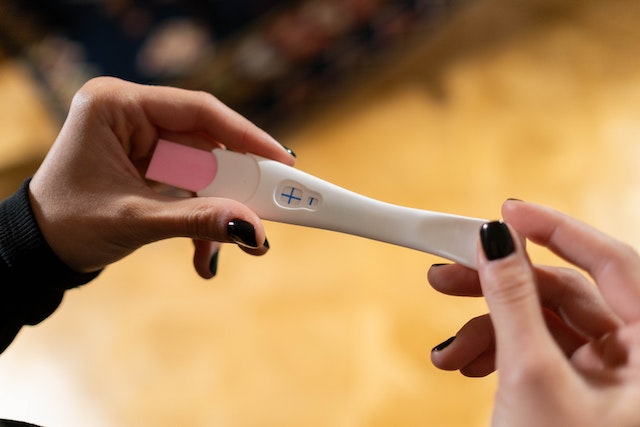
In general, a positive pregnancy test is a reliable indicator of pregnancy. Home pregnancy tests detect the presence of human chorionic gonadotropin (hCG) in a woman’s urine, which is a hormone that is only produced during pregnancy. False positives are rare but possible, so it’s always a good idea to confirm a positive result with a healthcare provider.
One factor that can influence the need for further testing is the sensitivity of the initial test. Most home pregnancy tests are highly sensitive and can detect hCG in a woman’s urine as early as 10 days after conception. However, some tests may be less sensitive or may have expired, which can result in a false negative or false positive result. If a woman suspects that her initial test may have been faulty, she should consider taking another test.
Another factor to consider is the woman’s individual circumstances. For example, if a woman has a history of infertility or has undergone fertility treatments, she may be more likely to experience a false positive or early miscarriage. In these cases, healthcare providers may recommend more frequent testing to monitor hCG levels and ensure that the pregnancy is progressing normally.
Similarly, women who have a history of ectopic pregnancy or other medical conditions that can affect pregnancy may require more frequent testing to ensure that the pregnancy is developing normally. These women may also require additional monitoring and interventions to reduce the risk of complications.
In general, most healthcare providers recommend that women who receive a positive pregnancy test should schedule an appointment for a confirmation test with their healthcare provider. This appointment typically involves a blood test to measure hCG levels and an ultrasound to confirm the presence of a viable pregnancy. If the results of the confirmation test are positive, the healthcare provider may recommend additional testing and monitoring throughout the pregnancy.
It’s important to note that while a positive pregnancy test is a good indicator of pregnancy, it’s not a guarantee that the pregnancy will progress normally. Miscarriage is a common occurrence in early pregnancy, with up to 25% of all pregnancies ending in miscarriage. Women who experience symptoms such as vaginal bleeding, severe cramping, or the passage of tissue should seek medical attention immediately, as these may be signs of a miscarriage or other complication.
In summary, the need for additional testing after a positive pregnancy test depends on several factors, including the sensitivity of the initial test, the woman’s individual circumstances, and her healthcare provider’s recommendations. In general, most women should schedule an appointment for a confirmation test with their healthcare provider to ensure that the pregnancy is progressing normally. While a positive pregnancy test is a good indicator of pregnancy, it’s important to be aware of the possibility of miscarriage and to seek medical attention if symptoms of complications arise.