There is no single answer to the question of how many types of Jews there are, as the Jewish community is diverse and complex, with many different traditions, customs, and beliefs. However, there are several broad categories of Jews that are often recognized based on their religious and cultural practices, as well as their geographical and historical origins.
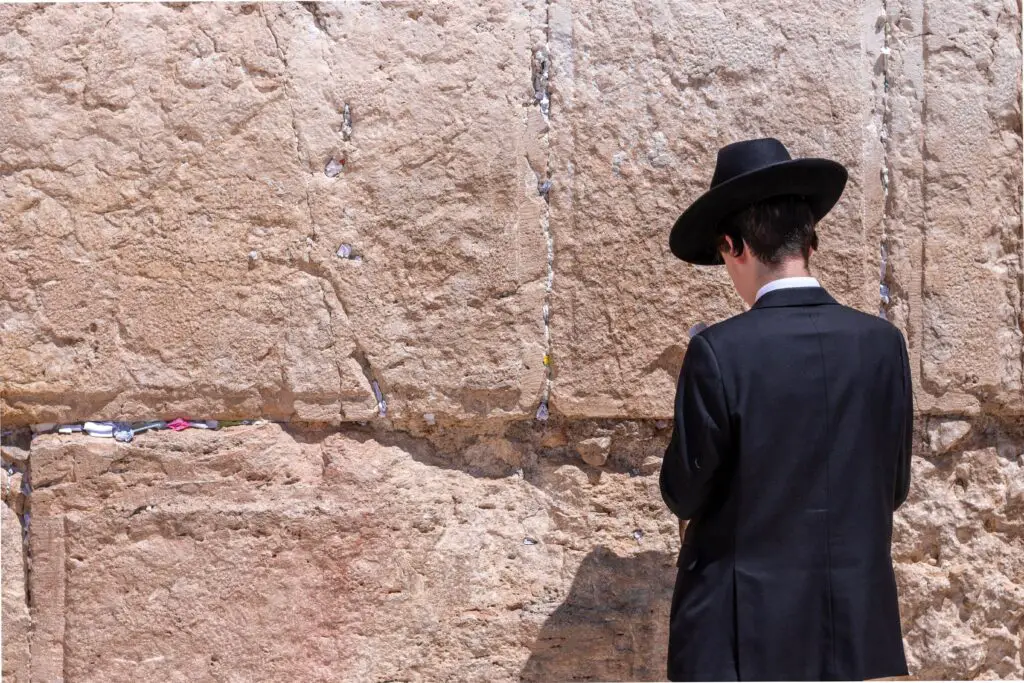
- Orthodox Jews: Orthodox Jews are those who adhere to the traditional practices and beliefs of Judaism as they have been passed down for centuries. This includes strict adherence to Jewish law (Halakha), which governs all aspects of life, from dietary restrictions to prayer and worship practices. Orthodox Judaism is further divided into various subgroups, including Hasidic Jews, who follow the teachings of charismatic spiritual leaders, and Modern Orthodox Jews, who seek to reconcile traditional Jewish beliefs and practices with modern society.
- Conservative Jews: Conservative Judaism emerged in the late 19th century as a response to the challenges of modernity, seeking to maintain the traditional practices of Judaism while also allowing for some adaptations to modern life. Conservative Jews typically adhere to Jewish law and practice, but may also integrate elements of modern culture into their religious practices.
- Reform Jews: Reform Judaism arose in the early 19th century in Europe as a response to the Enlightenment and the desire for greater integration into modern society. Reform Jews emphasize individual autonomy and a more liberal interpretation of Jewish law, and may modify or adapt traditional practices to better align with modern values.
- Reconstructionist Jews: Reconstructionist Judaism is a relatively new movement, emerging in the mid-20th century in the United States. It emphasizes the role of Jewish culture and community in shaping Jewish practice, and encourages the adaptation of Jewish traditions to fit modern needs and values.
- Sephardic Jews: Sephardic Jews are those whose roots can be traced back to Spain and Portugal, as well as other parts of the Mediterranean region and the Middle East. They have a rich cultural and religious heritage that is distinct from that of Ashkenazi Jews (see below), and their religious practices may vary depending on their specific community and location.
- Ashkenazi Jews: Ashkenazi Jews are those whose origins can be traced back to Central and Eastern Europe, including Germany, Poland, and Russia. They make up the majority of Jews in the United States and have a distinct cultural and religious heritage, including traditional foods, customs, and practices.
- Mizrahi Jews: Mizrahi Jews are those whose roots can be traced back to the Middle East and North Africa, including Iraq, Iran, and Morocco. They have a distinct cultural and religious heritage, including unique traditions, customs, and practices.
- Ethiopian Jews: Ethiopian Jews, also known as Beta Israel, are those who trace their roots back to the Jewish community in Ethiopia. They have a unique cultural and religious heritage, including traditional practices and beliefs that are distinct from other Jewish communities.
In addition to these broad categories, there are many other subgroups of Jews, including Chabad Lubavitch Jews, Breslov Jews, and many others. The Jewish community is diverse and constantly evolving, with new traditions and practices emerging over time. Ultimately, the number and types of Jews are difficult to quantify, as the Jewish community is vast and complex, with a rich and varied cultural and religious heritage.