Electricity is a powerful force that has the potential to cause harm and even death to those who come into contact with it. The question of how many volts are lethal is a complex one, as the amount of voltage required to cause harm or death depends on a variety of factors, including the duration of exposure, the current flowing through the body, the path of the current through the body, and the individual’s overall health and physiology. In this article, we will explore the factors that influence the lethality of electrical current and provide some context and information to shed light on this important topic.
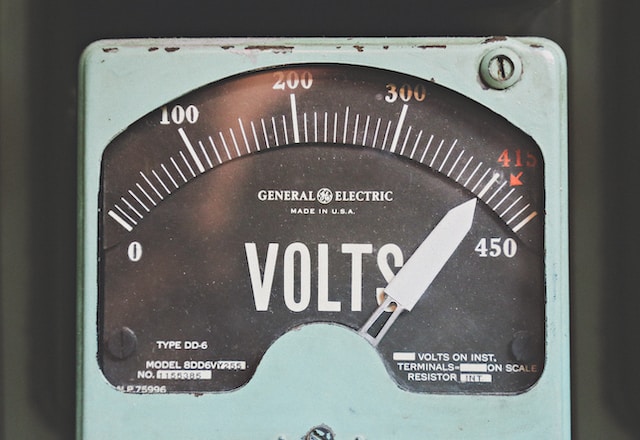
First and foremost, it is essential to understand the difference between voltage and current. Voltage, measured in volts (V), refers to the potential difference between two points in an electrical circuit, while current, measured in amperes (A), refers to the flow of electrical charge through a circuit. While voltage can be a factor in determining the danger of an electrical shock, it is the current that actually causes harm to the body.
When an electrical current flows through the body, it can interfere with the normal functioning of the body’s tissues and organs, including the heart and lungs. The severity of the harm caused by electrical current depends on the amount of current flowing through the body, which is influenced by the voltage of the electrical source and the resistance of the body’s tissues to the flow of electrical charge.
The resistance of the body varies depending on factors such as the moisture content of the skin and the path the current takes through the body. Dry skin has a higher resistance to electrical current than wet skin, so a person who is sweating or in contact with a wet surface may be more susceptible to harm from electrical current. Similarly, the path of the current through the body can affect the amount of current that flows, as current flowing through the heart or brain can be particularly dangerous.
In general, current levels above 10 milliamperes (mA) can be dangerous, and levels above 50 mA can be lethal. However, even lower levels of current can be harmful if they pass through sensitive areas of the body such as the heart or brain. In addition, the duration of exposure to electrical current is also a factor in determining its lethality. A short exposure to high current levels may be more immediately dangerous, while a longer exposure to lower current levels may cause cumulative damage to the body over time.
Another factor that can influence the lethality of electrical current is the frequency of the current. Alternating current (AC) at frequencies of 60 Hz or higher is more likely to cause harm than direct current (DC) at similar levels of voltage and current. This is because AC can cause muscles to contract and release at the frequency of the current, which can interfere with the normal functioning of the heart and other organs.
It is also important to note that individual factors can influence the lethality of electrical current. For example, a person’s overall health and physical condition can affect their susceptibility to harm from electrical current. People with heart conditions or other underlying health problems may be more susceptible to harm from electrical shock. Similarly, children and elderly people may be more vulnerable to harm from electrical current.
In conclusion, the question of how many volts are lethal is a complex one that depends on a variety of factors. While current levels above 10 mA can be dangerous, and levels above 50 mA can be lethal, even lower levels of current can be harmful if they pass through sensitive areas of the body. It is essential to treat electricity with caution and respect, taking appropriate safety measures when working with electrical equipment or near electrical sources. Regularly checking and maintaining electrical equipment is also critical to ensure safety. By understanding the risks associated with electrical current and taking appropriate safety precautions, we can work to prevent electrical accidents and protect ourselves and others from harm