Baking soda, also known as sodium bicarbonate, is a versatile ingredient that is commonly used in cooking and baking. It is also used for medicinal purposes, such as treating heartburn, indigestion, and acid reflux. However, it is important to use baking soda in moderation, as excessive consumption can lead to various health issues. In this article, we will discuss how much baking soda you can drink per day and the potential risks of consuming too much baking soda.
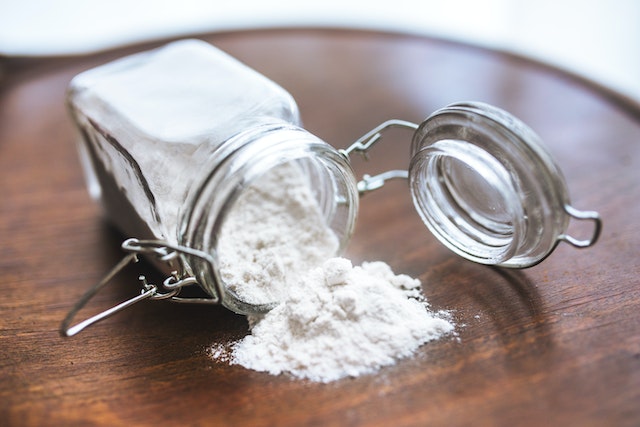
Baking soda is an alkaline substance, which means it has a high pH level. When ingested, baking soda can neutralize stomach acid, which can provide temporary relief from heartburn and indigestion. However, consuming too much baking soda can disrupt the acid-base balance in the body, which can lead to a condition called metabolic alkalosis.
Metabolic alkalosis occurs when the body’s pH level becomes too high, which can cause a range of symptoms, including nausea, vomiting, headache, confusion, and muscle twitching. In severe cases, metabolic alkalosis can lead to seizures, coma, and even death. Therefore, it is essential to use baking soda in moderation and under the guidance of a healthcare professional.
The recommended daily intake of baking soda varies depending on the purpose of consumption. For cooking and baking, the amount of baking soda used is typically minimal, and there are no specific daily intake recommendations. However, for medicinal purposes, such as treating heartburn, the recommended daily intake is ½ teaspoon of baking soda mixed with a glass of water, up to three times per day.
It is essential to note that exceeding the recommended daily intake of baking soda can have adverse health effects. Ingesting large amounts of baking soda can cause metabolic alkalosis, which can lead to serious health problems. Therefore, it is crucial to use baking soda in moderation and to seek medical advice if you experience any adverse effects.
There are several factors that can affect how much baking soda you can safely consume per day. These include age, gender, weight, and medical history. Pregnant women and people with kidney disease, liver disease, or high blood pressure should avoid consuming baking soda, as it can worsen these conditions.
In addition to metabolic alkalosis, consuming too much baking soda can also lead to other health issues. Excessive consumption of baking soda can cause gastrointestinal problems, such as bloating, gas, and diarrhea. It can also lead to dehydration and electrolyte imbalances, as excessive amounts of baking soda can cause the body to lose fluids and essential minerals such as potassium.
If you are considering using baking soda for medicinal purposes, it is important to discuss this with your healthcare provider. Your healthcare provider can advise you on the appropriate dosage and frequency of consumption based on your medical history and current health status. They can also monitor you for any adverse effects and adjust the dosage accordingly.
In summary, baking soda is a versatile ingredient that can be used for cooking, baking, and medicinal purposes. However, excessive consumption of baking soda can lead to metabolic alkalosis and other health issues. The recommended daily intake of baking soda varies depending on the purpose of consumption, and it is essential to use baking soda in moderation and under the guidance of a healthcare professional. If you experience any adverse effects after consuming baking soda, seek medical attention immediately.