One unit of blood is a standard measure used to describe the amount of blood transfused in medical settings. One unit of blood is equivalent to approximately 450 milliliters, or just under one pint. This amount of blood is roughly equivalent to the amount of blood that an average adult has in their body, which is about 5 liters.
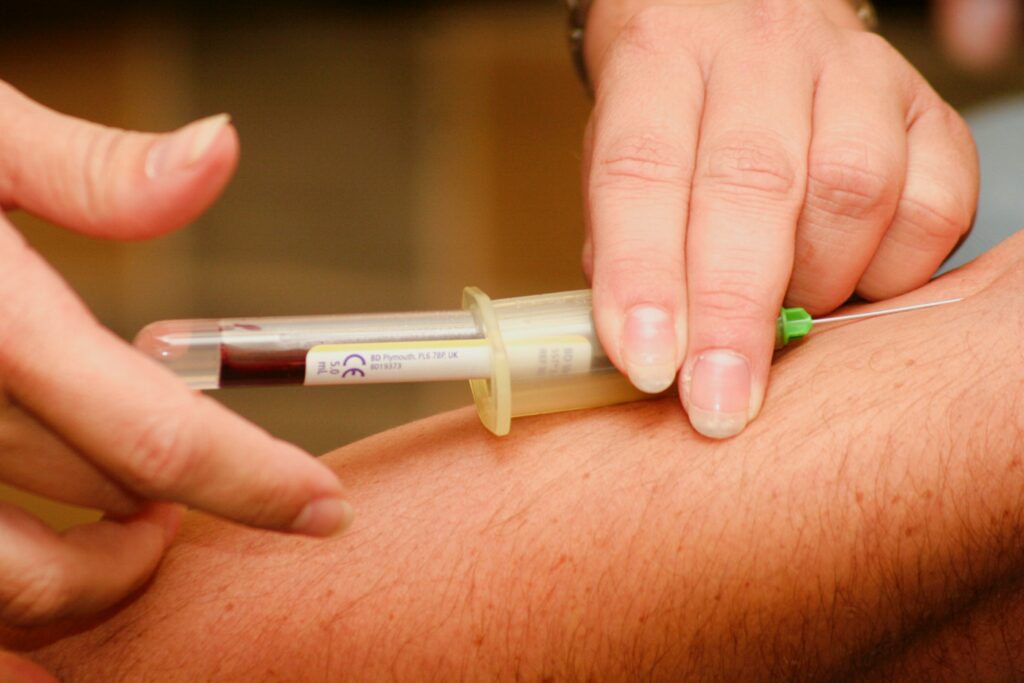
When someone donates blood, the amount of blood that is collected is usually around 500 milliliters, or just over one pint. However, not all of this blood can be used for transfusion. In order to ensure the safety of the blood supply, the blood that is collected is typically separated into its component parts, including red blood cells, plasma, and platelets. Each of these components can be used for different purposes, and the amount of each component that is collected from a donor can vary depending on the needs of the recipient.
In medical settings, the amount of blood that is transfused is typically measured in units. For example, if someone needs a transfusion of two units of blood, they will receive approximately one pint, or 900 milliliters, of blood. The amount of blood that someone needs will depend on a number of factors, including their age, weight, and medical condition.
One unit of blood can be a lifesaving intervention for someone who has lost a significant amount of blood due to injury or illness. Blood transfusions are commonly used to treat a variety of medical conditions, including anemia, cancer, and bleeding disorders. In some cases, blood transfusions may be used as a preventive measure to reduce the risk of bleeding during surgery or other medical procedures.
While blood transfusions are generally considered to be safe, there are some risks associated with the procedure. One of the most serious risks is the transmission of infectious diseases, such as HIV or hepatitis, through contaminated blood. To minimize the risk of infection, blood banks and transfusion centers screen all donated blood for infectious agents, and they use a variety of tests and processes to ensure the safety of the blood supply.
In conclusion, one unit of blood is equivalent to approximately 450 milliliters, or just under one pint. This amount of blood is typically used to measure the amount of blood transfused in medical settings, and it can be a lifesaving intervention for someone who has lost a significant amount of blood due to injury or illness. While blood transfusions are generally considered to be safe, there are some risks associated with the procedure, including the transmission of infectious diseases. To ensure the safety of the blood supply, blood banks and transfusion centers use a variety of tests and processes to screen donated blood and minimize the risk of infection.