Mercury is a rare and valuable metal that possesses unique properties like high density, low melting point, and good electrical conductivity. Despite its advantages, mercury’s usage is heavily regulated and controlled in many countries due to its toxic nature. This article discusses the current value of mercury, the factors influencing its price, and market trends.
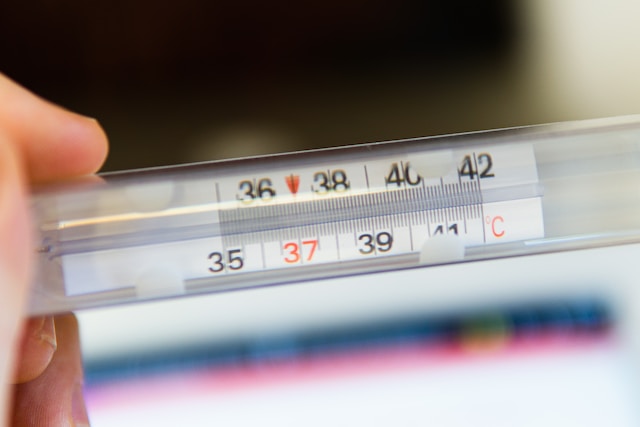
At present, the price of mercury is around $3 per pound, which is equivalent to $6,613 per metric ton, and the price of mercury is measured in terms of its price per kilogram or pound. The supply and demand of mercury determine its price, and this fluctuates depending on various factors like industrial demand, mining production, recycling rates, and global trade. The primary demand for mercury comes from the industrial sector, where it’s used in thermometers, dental fillings, electrical switches, and other applications.
The production of mercury is mainly concentrated in countries like China, Spain, Kyrgyzstan, and Mexico, and its supply can be affected by geopolitical events, environmental regulations, and mining production. The cost of mining mercury can be high due to its rarity and the challenges of extracting it from the earth. Additionally, the cost of producing and using mercury can be influenced by the quality and purity of the mercury and the extraction and refining processes used.
Environmental regulations can increase the cost of producing and using mercury and limit the supply of mercury in some regions. Mercury is a highly toxic metal that can pose serious health and environmental risks if not handled properly. Due to its toxic nature, many countries have implemented strict regulations on the production, use, and disposal of mercury. These regulations have caused the price of mercury to increase, and they are expected to continue doing so in the future.
Geopolitical events like wars, sanctions, and trade disputes can also affect the price of mercury. For example, the imposition of trade tariffs on mercury by one country can lead to an increase in the price of mercury in other countries. Similarly, political instability or conflict in countries that produce or export mercury can disrupt the supply chain and increase the price of mercury.
Despite its unique properties, the demand for mercury is expected to decline in the coming years due to the increasing adoption of alternative technologies and materials. For instance, digital thermometers and electronic switches are replacing mercury-based devices, and the phasing out of mercury in dental fillings and fluorescent lamps is also expected to reduce the demand for mercury. However, mercury is still used in some laboratory instruments, manufacturing processes for semiconductors, and electronic components due to its unique properties.
In conclusion, the value of mercury is determined by various market factors, and its price fluctuates depending on the supply and demand for it. The price of mercury is influenced by factors such as production costs, environmental regulations, geopolitical events, and the rarity of mercury. Despite its unique properties, the demand for mercury is expected to decline in the coming years due to the increasing adoption of alternative technologies and materials.