Oil and butter are two common ingredients in cooking and baking. Both ingredients have unique characteristics that make them useful in different ways. While oil is a liquid fat extracted from various plants, butter is a dairy product made from milk or cream. When it comes to substituting one for the other, there are a few things to consider, including the quantity needed. In this article, we will explore the topic of how much oil is in a cup of butter.
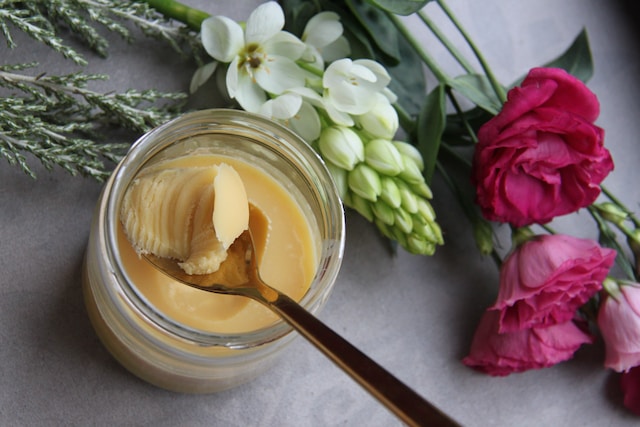
To begin, it is important to note that butter is not just fat, but also contains water and milk solids. Therefore, when converting butter to oil, the quantity will not be a straightforward one-to-one ratio. Typically, one cup of butter weighs 227 grams and contains approximately 80% fat, 15% water, and 5% milk solids. To determine how much oil is in a cup of butter, we will need to first calculate how much fat is in a cup of butter.
Fat is the component of butter that makes it solid at room temperature. The fat content in butter can vary slightly depending on the brand and type of butter. However, on average, butter contains about 80% fat. This means that one cup of butter contains approximately 181 grams of fat.
Now that we have determined how much fat is in a cup of butter, we can use this information to calculate how much oil is needed to replace one cup of butter. Since oil is pure fat, we can simply use the conversion factor of 1 gram of fat equals 1 milliliter of oil. Therefore, one cup of oil is equal to 236 milliliters, which is approximately 226 grams.
Using this conversion factor, we can conclude that one cup of butter is equal to approximately 226 grams or 236 milliliters of oil. However, it is important to note that this conversion is not always a direct substitute, as butter contains other components such as water and milk solids that can affect the texture and taste of the final product.
When substituting oil for butter in a recipe, it is essential to consider the recipe’s specific requirements. In general, oil can be a suitable substitute for butter in recipes that require melting, such as sautéing or baking. However, for recipes that require the creaming method, such as cakes or cookies, butter is essential to achieve the desired texture and structure.
In addition to considering the recipe’s requirements, it is important to choose the right type of oil for the substitution. While any type of oil can be used as a substitute for butter, some oils work better than others, depending on the recipe. For example, vegetable oil or canola oil are good choices for recipes that require a neutral flavor, while olive oil or coconut oil can be used for recipes that require a distinct flavor.
It is also important to note that substituting oil for butter can result in a slightly different texture and taste. Since butter contains water and milk solids, it contributes to the moisture and flavor of the final product. In contrast, oil is pure fat and can result in a drier and less flavorful product. To compensate for this, it may be necessary to adjust the recipe by adding additional ingredients such as milk, eggs, or flavorings.
In conclusion, while one cup of butter contains approximately 226 grams or 236 milliliters of oil, substituting oil for butter is not always a direct one-to-one ratio. The specific requirements of the recipe, the type of oil used, and the desired texture and flavor of the final product all need to be considered when substituting one ingredient for the other. With these factors in mind, it is possible to make successful substitutions that result in delicious and satisfying dishes.