Estimating the amount of oil left in the world is a complex and continually evolving process, as it depends on a range of factors such as exploration, production, technological advancements, and global demand. However, based on current estimates and trends, there is still a significant amount of oil left in the world, but it is becoming increasingly difficult and expensive to extract.
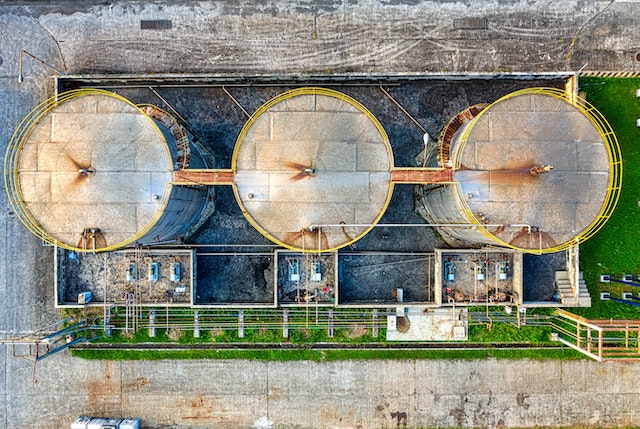
According to the latest estimates from the U.S. Energy Information Administration (EIA), the world has approximately 1.7 trillion barrels of proven oil reserves as of 2021. Proven reserves are defined as the amount of oil that can be extracted with reasonable certainty using existing technology and under current economic and operating conditions.
However, proven reserves are just one part of the picture, as there are also vast amounts of oil that are technically recoverable but not yet proven or economically viable to extract. The EIA estimates that the total technically recoverable oil resources in the world are around 4.5 trillion barrels. This includes not only conventional oil reserves but also unconventional sources such as oil sands, oil shale, and tight oil.
Despite these large reserves, there are several challenges to accessing and extracting these resources. One of the biggest challenges is the increasing cost and complexity of exploration and production. As the easy-to-access oil reserves are depleted, oil companies are forced to invest more in exploration and drilling in harder-to-reach areas, such as deepwater deposits or Arctic regions. This makes production more expensive and raises concerns about environmental risks.
Additionally, there is growing pressure to transition away from fossil fuels to renewable energy sources due to concerns about climate change and the need to reduce greenhouse gas emissions. This has led to a decrease in demand for oil in some regions and sectors, which could potentially limit the incentive for further exploration and production.
In summary, while there is still a significant amount of oil left in the world, the future of the industry is uncertain due to factors such as rising costs, environmental concerns, and changing global demand. However, it is important to note that estimates of oil reserves and resources are constantly evolving as technology advances and exploration continues, so it is difficult to provide a precise answer to the question of how much oil is left in the world.