Sperm survival on hands can vary depending on a variety of factors such as temperature, humidity, exposure to air, and the presence of substances that can affect sperm viability. In general, sperm cannot survive for very long on hands or other surfaces outside the body.
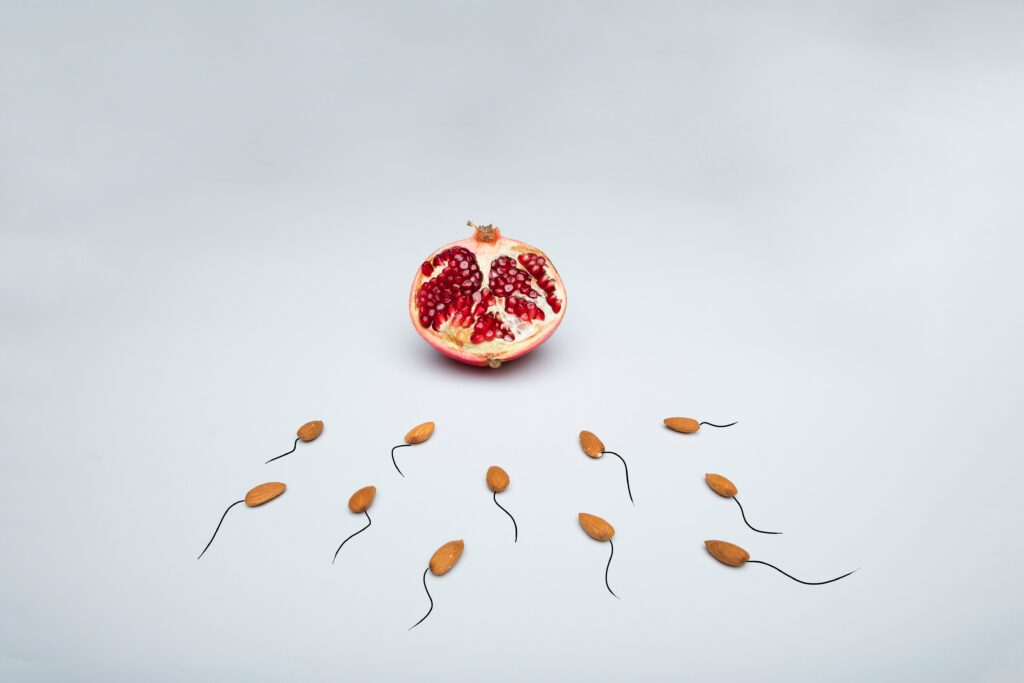
When semen is ejaculated onto the skin, some of the semen may dry and be absorbed into the skin, while some may remain moist on the surface. In general, sperm exposed to air or the environment outside the body can only survive for a few minutes to a few hours. However, the exact time frame can vary depending on the specific conditions.
Factors that can affect the survival time of sperm on hands include temperature and humidity. Sperm can survive for a longer period of time in a warm and moist environment compared to a dry and cold one. The presence of certain substances, such as lubricants, lotions, or soaps, can also affect the survival time of sperm on hands.
It’s important to note that while sperm may not survive very long on hands, it only takes one sperm to fertilize an egg. Therefore, it’s still possible to get pregnant even if sperm has been transferred to the hands and then to the genitals.
To reduce the risk of transferring sperm from the hands to the genitals or other areas of the body, it’s important to practice good hygiene. Washing hands with soap and warm water can help remove any residual semen and reduce the risk of pregnancy or transmission of sexually transmitted infections. Using condoms during sexual activity can also help reduce the risk of pregnancy and sexually transmitted infections.
In conclusion, sperm can survive on hands for a short period of time, typically only a few minutes to a few hours. The exact survival time can vary depending on factors such as temperature, humidity, and exposure to air. While the risk of pregnancy or transmission of sexually transmitted infections through transfer of sperm from hands to genitals is low, it’s still important to practice good hygiene and use condoms to reduce the risk.