Tuna is a popular fish that is consumed all around the world. It is not only tasty, but it is also packed with many essential nutrients such as protein, omega-3 fatty acids, vitamins, and minerals. However, there has been some concern regarding the amount of tuna that can be consumed per week due to the potential risk of mercury contamination. In this article, we will discuss how much tuna can be eaten safely, and what factors can impact this.
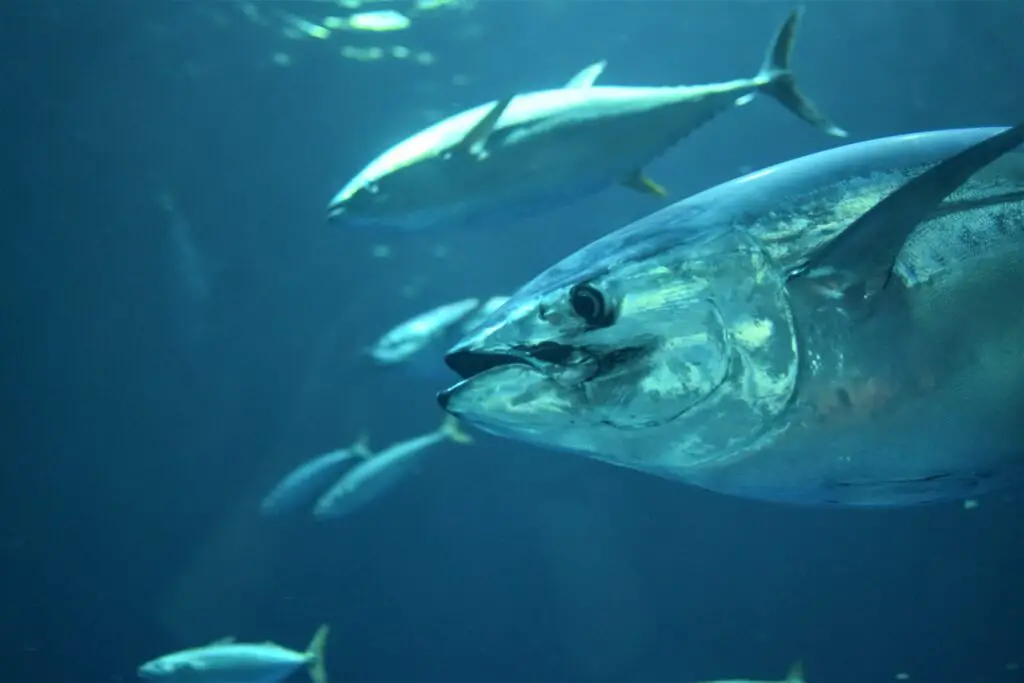
Mercury in Tuna
Mercury is a toxic metal that is present in some species of fish, including tuna. It can be harmful to the nervous system, especially in developing fetuses, infants, and young children. The level of mercury in tuna can vary depending on the species, age, and size of the fish. As well as the location and type of water they are caught in.
The United States EPA has set a limit on the amount of mercury that is considered safe to consume in fish. This limit is based on body weight and is expressed in terms of micrograms (μg) of mercury per kilogram (kg) of body weight per day. The limit is set at 0.1 μg/kg/day. This means that a person who weighs 60 kg should not consume more than 6 μg of mercury per day.
How Much Tuna Can You Eat?
The amount of tuna that can be eaten safely depends on the type of tuna, the frequency of consumption, and the age and weight of the person. In general, it is recommended that people limit their consumption of canned tuna to no more than two or three servings per week, with each serving being 4 ounces or less. This recommendation is based on the fact that canned tuna typically contains lower levels of mercury than other types of tuna, such as albacore or white tuna.
However, pregnant women, nursing mothers, and young children are advised to be more cautious and limit their consumption of all types of tuna to no more than one serving per week, and to avoid eating large predatory fish altogether, such as shark, swordfish, king mackerel, and tilefish. This is because these larger fish have higher levels of mercury and can pose a greater risk of mercury toxicity.
Factors That Affect Mercury Levels in Tuna
The level of mercury in tuna can vary depending on several factors, including the following:
- Type of Tuna: Different species of tuna have different levels of mercury. For example, skipjack and yellowfin tuna generally have lower levels of mercury compared to albacore or white tuna.
- Size and Age of Tuna: Larger and older fish tend to have higher levels of mercury because they have had more time to accumulate it from their environment.
- Location of Catch: Tuna caught in certain areas may have higher levels of mercury due to environmental factors such as pollution or proximity to industrial activity.
- Processing Method: The method of processing can also affect the level of mercury in tuna. For example, canned tuna typically has lower levels of mercury compared to fresh tuna because the canning process removes some of the mercury.
Conclusion
In conclusion, tuna is a healthy and nutritious fish that can be safely consumed in moderation. The amount of tuna that can be eaten per week depends on the type of tuna, the frequency of consumption, and the age and weight of the person. While canned tuna is generally safe to consume up to two or three servings per week, pregnant women, nursing mothers, and young children should be cautious and limit their consumption to no more than one serving per week. It is also important to pay attention to the factors that can affect the level of mercury in tuna, such as the type, size, and location of catch, and to choose low