Central heterochromia is a rare eye color phenomenon where the iris has two or more colors, with the outer part of the iris being one color and the inner part being a different color. In some cases, the inner color of the iris may be a completely different shade than the outer color, which creates a striking and unique look.
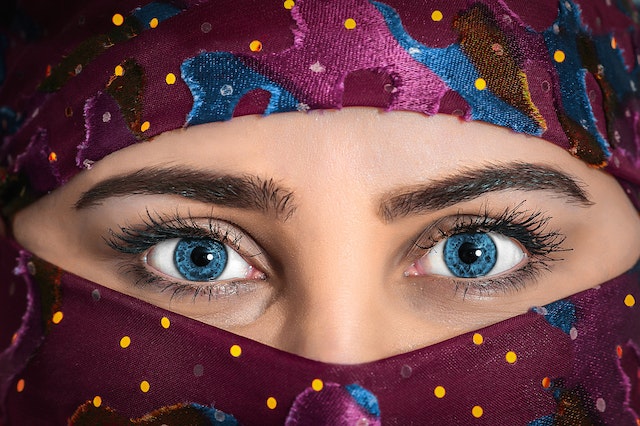
Blue-green central heterochromia is a relatively rare form of this phenomenon, with estimates suggesting that it occurs in less than 1% of the population. It is characterized by a blue outer iris and a green or hazel inner iris, creating a distinctive and captivating appearance.
The color of our eyes is determined by the amount and distribution of melanin, a pigment that gives color to our skin, hair, and eyes. Blue eyes have a lower amount of melanin, while brown eyes have more melanin. Green eyes are a result of a combination of low melanin and a unique distribution of pigments in the iris.
In the case of central heterochromia, the different colors within the iris are a result of a variation in the concentration and distribution of melanin and other pigments. It is believed that this variation may be due to genetic factors, although the exact mechanisms behind this phenomenon are not fully understood.
In terms of the prevalence of blue-green central heterochromia, there is not a lot of reliable data available. Most estimates suggest that it occurs in less than 1% of the population, which would make it a relatively rare phenomenon. However, it is worth noting that the actual prevalence of this condition may be higher or lower than this estimate, as it is difficult to accurately measure the occurrence of such a rare and subtle phenomenon.
Blue-green central heterochromia is more commonly found in people with European ancestry, although it can occur in individuals of any ethnicity. It is also more commonly found in females than in males, although again, the reasons for this are not fully understood.
One of the reasons that blue-green central heterochromia is considered rare is that it is a relatively subtle phenomenon that is not always immediately noticeable. In some cases, the inner green or hazel part of the iris may be quite small or may blend in with the surrounding blue, making it difficult to distinguish the two colors. However, in other cases, the inner part of the iris may be quite distinct, creating a striking and unique appearance.
There are many famous individuals who are known to have had blue-green central heterochromia, including actress Kate Bosworth, musician David Bowie, and actor Benedict Cumberbatch. These individuals have helped to popularize this eye color phenomenon, making it more well-known and appreciated among the general public.
In conclusion, blue-green central heterochromia is a relatively rare eye color phenomenon that occurs in less than 1% of the population. It is characterized by a blue outer iris and a green or hazel inner iris, and is thought to be caused by variations in the concentration and distribution of melanin and other pigments within the iris. While it is more commonly found in individuals of European ancestry and in females, the reasons for these differences are not fully understood. While it may not be immediately noticeable in all cases, blue-green central heterochromia is a striking and unique eye color that has captured the attention of many people around the world.