Naturally curly hair is considered relatively rare in the world, as it is estimated that only about 11% to 15% of the global population has naturally curly hair. However, the prevalence of naturally curly hair can vary widely by region and ethnicity.
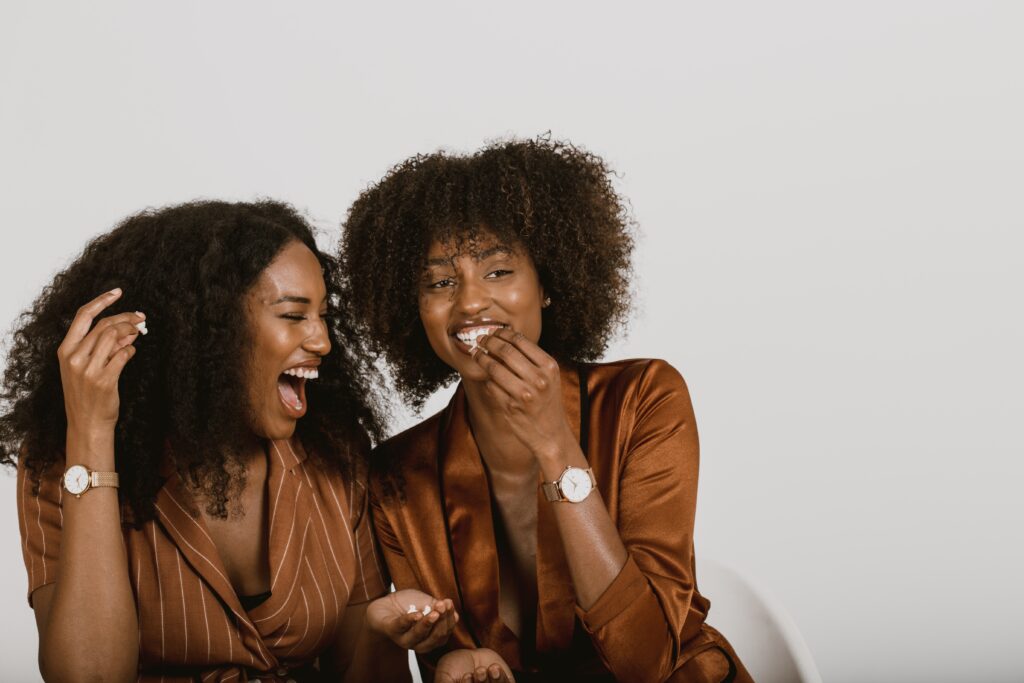
Curly hair is caused by the shape of the hair follicle, which is curved, and the direction in which the hair grows out of the follicle. The degree of curliness can range from loose waves to tight coils, and it can be influenced by a number of genetic and environmental factors.
In general, curly hair is more common among people of African, Afro-Caribbean, and Latin American descent. These populations have a higher prevalence of genes that lead to curly or coily hair. According to a study published in the Journal of Investigative Dermatology, people of African descent have a higher likelihood of having curly hair than people of European or Asian descent. The study found that 89% of people of African descent had naturally curly hair, compared to 34% of people of European descent and 22% of people of Asian descent.
However, even within ethnic groups, the prevalence of naturally curly hair can vary. For example, in the United States, African American women are more likely to have naturally curly hair than African American men. In addition, the texture of curly hair can also vary widely, with some people having looser waves while others have tight coils.
While curly hair may be less common than straight hair, it is still a highly desirable trait in many cultures. Many people with naturally curly hair choose to enhance or embrace their curls with styling products, haircuts, and other treatments. The natural hair movement, which has gained momentum in recent years, has encouraged many people to celebrate their curls and resist pressure to conform to mainstream beauty standards.
In conclusion, while curly hair is considered relatively rare in the world, its prevalence can vary widely by region and ethnicity. Factors such as genetics, environment, and styling practices can also influence the appearance of curly hair. Despite its relative rarity, curly hair is a highly desirable trait in many cultures and has inspired a thriving community of people who celebrate and embrace their curls.