In mathematics, numbers can be classified as either even or odd. An even number is any integer that is divisible by 2 without leaving a remainder, while an odd number is any integer that is not divisible by 2 without leaving a remainder.
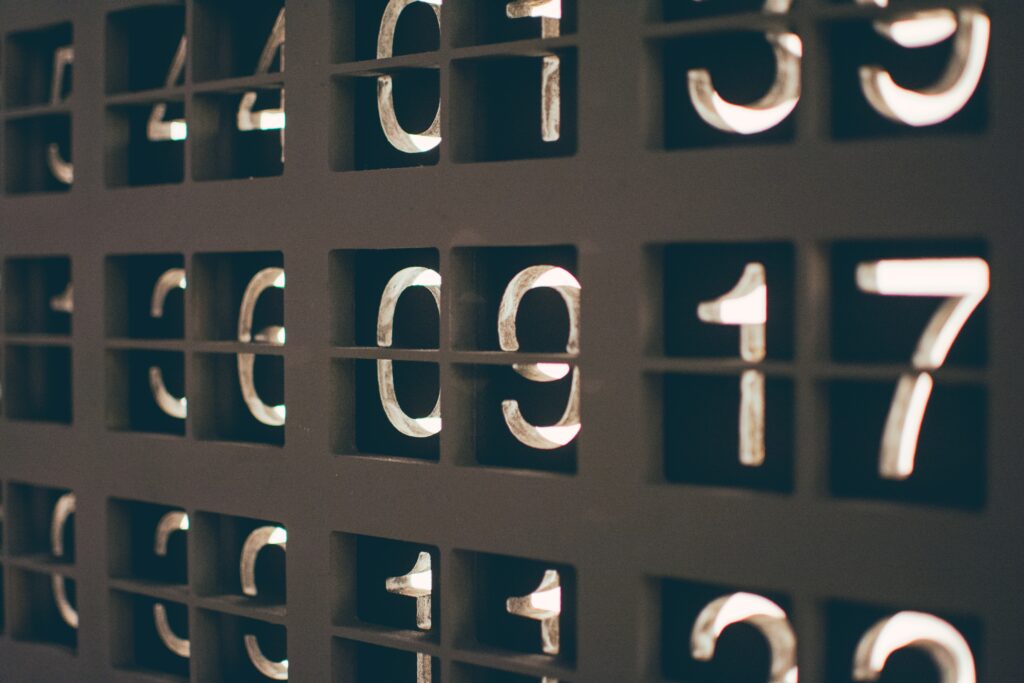
So, is 0 an even number or an odd number? The answer is that 0 is an even number. This is because 0 can be written as 2 x 0, and therefore it is divisible by 2 without leaving a remainder.
The idea of 0 being even may seem counterintuitive to some people, as it is not usually thought of as a number at all. However, in the context of the integers, 0 is considered a number and is therefore subject to the same rules of divisibility as any other integer.
In fact, the concept of 0 being even is consistent with other properties of even and odd numbers. For example, when adding or subtracting even and odd numbers, the result will always be even. Adding or subtracting two even numbers will always produce an even number, while adding or subtracting an even number and an odd number will always produce an odd number.
Furthermore, the parity of 0 has practical applications in various areas of mathematics and science, such as in determining the number of solutions to certain equations or in analyzing the behavior of physical systems.
In conclusion, 0 is an even number, and this classification is based on its divisibility by 2. While the concept of 0 being even may seem unusual, it is consistent with other properties of even and odd numbers and has practical applications in various fields.