Blood pressure is an essential health marker that measures the force of blood against the walls of arteries as the heart pumps blood throughout the body. Blood pressure is expressed as two numbers, systolic and diastolic, measured in millimeters of mercury (mmHg). The systolic number represents the pressure when the heart beats, and the diastolic number represents the pressure when the heart rests between beats. A blood pressure reading of 160/90 is considered high blood pressure, also known as hypertension. In this response, we will discuss what high blood pressure is, its causes, and its potential health consequences, as well as what steps one can take to manage high blood pressure.
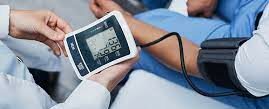
High blood pressure, or hypertension, is a condition in which the blood pressure in the arteries is consistently higher than normal. Blood pressure readings above 140/90 mmHg are considered high. However, blood pressure may also be considered high if only one of the numbers is consistently elevated. High blood pressure is a serious health condition that can lead to heart disease, stroke, kidney disease, and other health problems if left untreated.
There are several factors that can contribute to high blood pressure. These include genetics, age, stress, lack of physical activity, being overweight or obese, smoking, and a diet high in sodium and low in potassium. Additionally, certain medical conditions, such as diabetes, sleep apnea, and kidney disease, can also contribute to high blood pressure. In some cases, high blood pressure may have no identifiable cause, and is referred to as essential hypertension.
High blood pressure is often called the “silent killer” because it typically has no symptoms. Many people with high blood pressure do not know they have it until they have their blood pressure checked. For this reason, it is important to have regular blood pressure checks, especially if you are at risk for high blood pressure.
If left untreated, high blood pressure can have serious health consequences. Over time, high blood pressure can damage the arteries, making them less flexible and more likely to become clogged with plaque. This can lead to heart disease, heart attack, stroke, kidney disease, and other health problems.
Fortunately, there are many steps one can take to manage high blood pressure. These include making lifestyle changes, such as maintaining a healthy weight, getting regular exercise, quitting smoking, reducing stress, and following a healthy diet. Specifically, a heart-healthy diet should be low in sodium and high in potassium, which helps to regulate blood pressure.
In addition to lifestyle changes, there are also medications available to treat high blood pressure. These medications work by either relaxing the blood vessels, reducing the amount of fluid in the blood, or blocking the effects of certain hormones that increase blood pressure. It is important to work with a healthcare provider to determine the best treatment plan for high blood pressure, as well as to monitor blood pressure regularly.
In conclusion, a blood pressure reading of 160/90 is considered high blood pressure, or hypertension. High blood pressure can have serious health consequences, including heart disease, stroke, and kidney disease. Fortunately, there are many steps one can take to manage high blood pressure, including making lifestyle changes, such as maintaining a healthy weight, getting regular exercise, quitting smoking, reducing stress, and following a healthy diet. Additionally, medications are available to treat high blood pressure. If you have high blood pressure, it is important to work with a healthcare provider to determine the best treatment plan and to monitor blood pressure regularly.