In the United States, the legal definition of blindness is defined by the Social Security Administration (SSA) and the American Medical Association (AMA). According to the SSA, an individual is considered legally blind if their central visual acuity is 20/200 or less in their better eye with correction or if their visual field is 20 degrees or less, regardless of their acuity. The AMA defines legal blindness as having a visual acuity of 20/200 or less in the better eye with correction, or having a visual field limited to 20 degrees or less, or having a combination of both.
It’s important to note that visual acuity is not the only factor that determines whether someone is legally blind. Visual field, which is the area of space that a person can see when they look straight ahead, is also taken into account. People with a narrow visual field, even if they have good visual acuity, may still be considered legally blind.
To answer the question directly, 7.0 is not a measurement of visual acuity or visual field, so it cannot be used to determine whether someone is legally blind. It’s possible that the number 7.0 is referring to a prescription for glasses or contacts, as that number would indicate a moderate to high level of nearsightedness or myopia. However, nearsightedness alone does not necessarily mean that someone is legally blind.
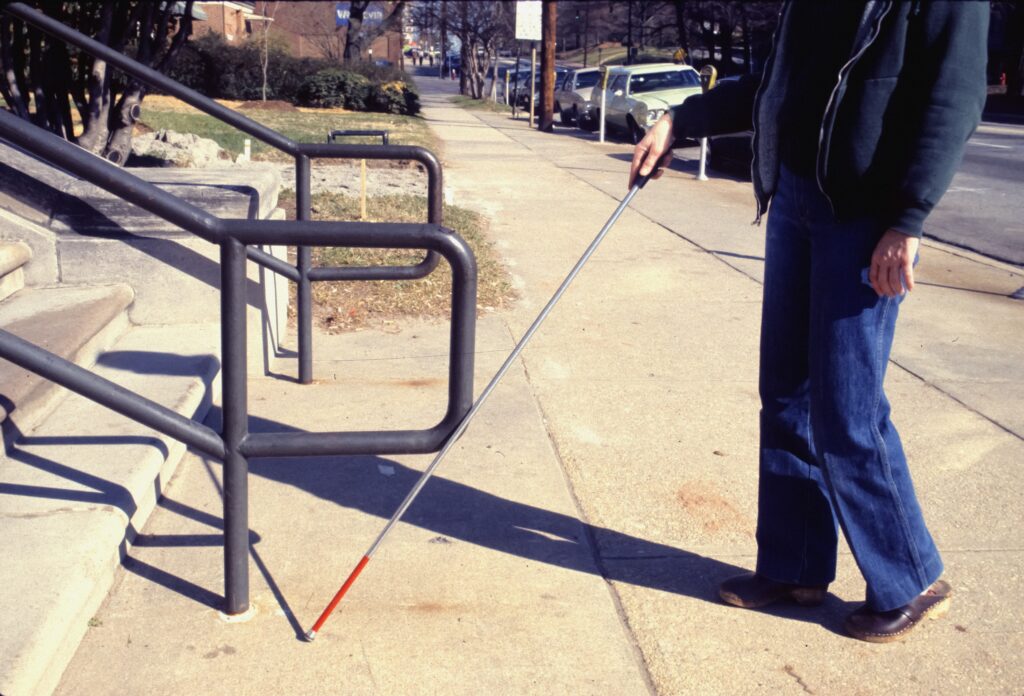
It’s important to note that being legally blind does not necessarily mean that a person cannot see at all. Many people who are legally blind have some residual vision and can see well enough to perform certain tasks or use assistive devices. Additionally, being legally blind does not mean that a person is unable to live a fulfilling and independent life. With the help of assistive technology, adaptive skills training, and other resources, people who are legally blind can participate in many activities and live independently.
In summary, the number 7.0 is not a measurement used to determine legal blindness. Legal blindness is determined by a combination of visual acuity and visual field measurements, as defined by the SSA and AMA. While being legally blind can pose challenges, it does not necessarily mean that a person is unable to see at all or live a fulfilling life.