Self-defense is a topic of concern for many individuals, and one of the most contentious debates is whether a .380 caliber firearm is sufficient to stop an attacker. There are strong opinions on both sides of the argument, with some believing that the .380 caliber round lacks the stopping power necessary to effectively incapacitate an attacker. Others argue that with proper shot placement and ammunition selection, the .380 can be an effective self-defense option.
Stopping an attacker involves rendering them incapacitated to the point where they are no longer a threat. This is typically achieved by causing significant damage or pain to the attacker’s body, with the ultimate goal of targeting their central nervous system (CNS). A CNS shot will result in immediate incapacitation, but it is also the most challenging target to hit.
Critics of the .380 caliber round argue that it lacks stopping power. Stopping power refers to a firearm’s ability to cause sufficient trauma to the target to immediately incapacitate them. With a bullet diameter of .355 inches and a weight of 90-100 grains, the .380 round is relatively small and has less energy and penetration than larger caliber rounds such as the .45 ACP or 9mm. This means that the .380 may not penetrate deeply enough to reach vital organs and cause immediate incapacitation.
Additionally, the recoil of the .380 caliber round can be an issue. Recoil refers to the backward movement of a firearm when fired, which can impact the shooter’s accuracy and speed. Although the .380 has less recoil than larger caliber rounds, it can still be too much for some individuals to handle. This can affect their ability to shoot accurately in high-stress situations.
Despite these concerns, proponents of the .380 caliber round argue that it can be an effective self-defense option. The small size and weight of the .380 make it easy to carry and conceal, which is essential for individuals who do not want to draw attention to themselves or feel burdened by a heavier firearm.
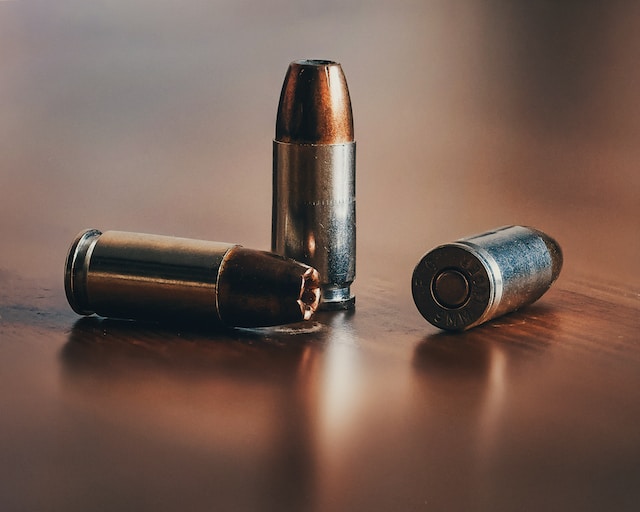
Shot placement is crucial for any caliber firearm, and the effectiveness of the .380 round will depend on the shooter’s ability to aim accurately and quickly in a high-stress situation. Vital areas of the attacker’s body, such as the CNS, heart, lungs, or other organs, are the most effective targets. Ammunition selection is also critical, as not all .380 ammunition is created equal. Brands such as the Federal HST, Speer Gold Dot, and Hornady Critical Defense are designed to expand upon impact, increasing their stopping power and effectiveness.
In conclusion, whether a .380 caliber firearm is enough to stop an attacker depends on a variety of factors, including shot placement, ammunition selection, and the shooter’s ability to handle the firearm. While critics argue that the .380 lacks stopping power, proponents believe that it can be an effective self-defense option with proper shot placement and ammunition selection. Ultimately, the decision to carry a firearm for self-defense is a personal one and should be made after careful consideration of all factors.