The megalodon, a prehistoric shark that lived around 23 million to 3.6 million years ago. We believed to have been one of the largest predators to ever exist. Megaladon estimated length of up to 60 feet (18 meters). However, there is no evidence to suggest that megalodons still exist today.
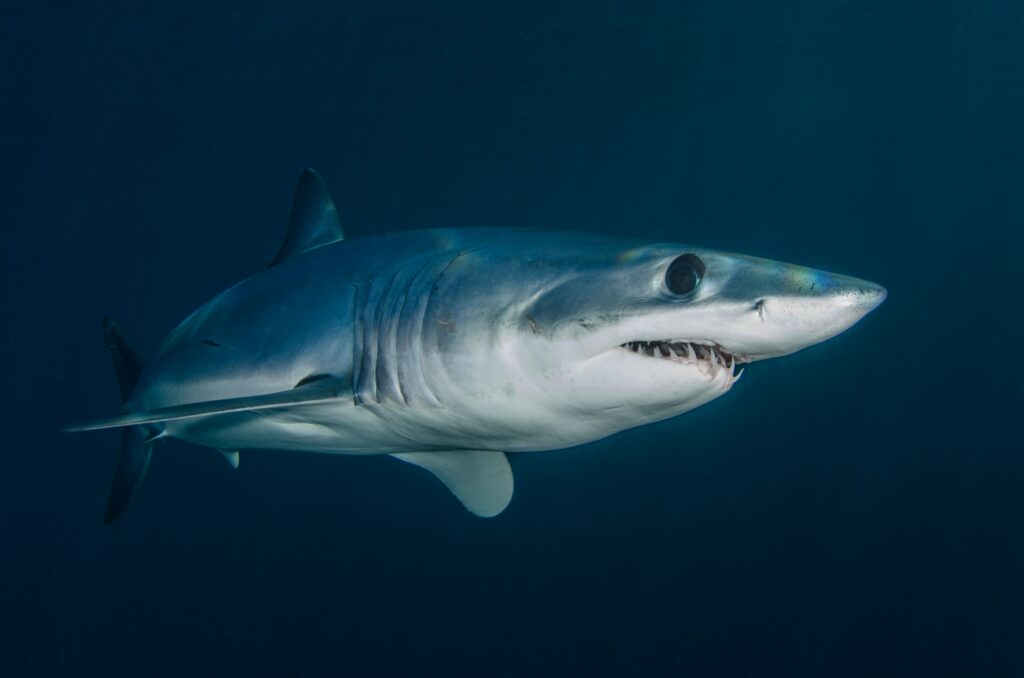
Despite numerous rumors and alleged sightings of the megalodon in modern times. These claims are not supported by scientific evidence. In fact, the scientific consensus is that the megalodon became extinct around 3.6 million years ago. Due to a combination of factors, including changes in the ocean environment, competition for resources with other predators, and perhaps even the impact of a supernova.
One of the reasons why scientists believe the megalodon is extinct. It is because there is a lack of physical evidence to suggest otherwise. Although the ocean is vast and largely unexplored. There have been no verified sightings of megalodons in recent times.
In addition, the megalodon would require a vast amount of resources to survive in the modern ocean, including a plentiful supply of food and suitable breeding grounds. Given the large size of the megalodon and the fact that it was a top predator. It is unlikely that such a species could exist without leaving some kind of trace in the ecosystem. Furthermore, the megalodon would require a certain temperature range to survive, which may have changed over time due to climate change and other factors.
Despite the lack of evidence to suggest that the megalodon still exists. There are many myths and legends surrounding the species. Some people believe that the megalodon has survived in remote parts of the ocean, such as deep-sea trenches or unexplored caves. However, there is no evidence to support these claims, and they are largely based on speculation and anecdotal accounts.
Another theory is that the megalodon may have evolved into a new species, like the great white shark. While there are some similarities between the two species. Such as their large size and sharp teeth, there are also significant differences in their anatomy and behavior. The great white shark is known to feed on a variety of prey. While the megalodon primarily hunted marine mammals.
In addition, genetic analysis has shown that the great white shark is not closely related to the megalodon. While they are both members of the same taxonomic order, Lamniformes. Then they belong to different families, with the megalodon belonging to the now-extinct Otodontidae family and the great white shark belonging to the Lamnidae family.
It is also worth noting that the evolution of species is a slow and gradual process, with changes occurring over millions of years. While it is possible for a species to evolve in response to changing environmental conditions, it is unlikely that the megalodon could have evolved into a completely different species in such a short amount of time, especially given the size and complexity of the organism.
In conclusion, while the megalodon was a fascinating and awe-inspiring creature that once roamed the oceans. There is no evidence to suggest that it still exists today. While it is entirely possible that there are undiscovered species in the sea, it is unlikely that such a large and distinctive species can exist without leaving any trace in the ecosystem. As such, the megalodon remains a relic of the past. A testament to the incredible diversity and complexity of life on Earth.