Yes, acetone is a dipole molecule.
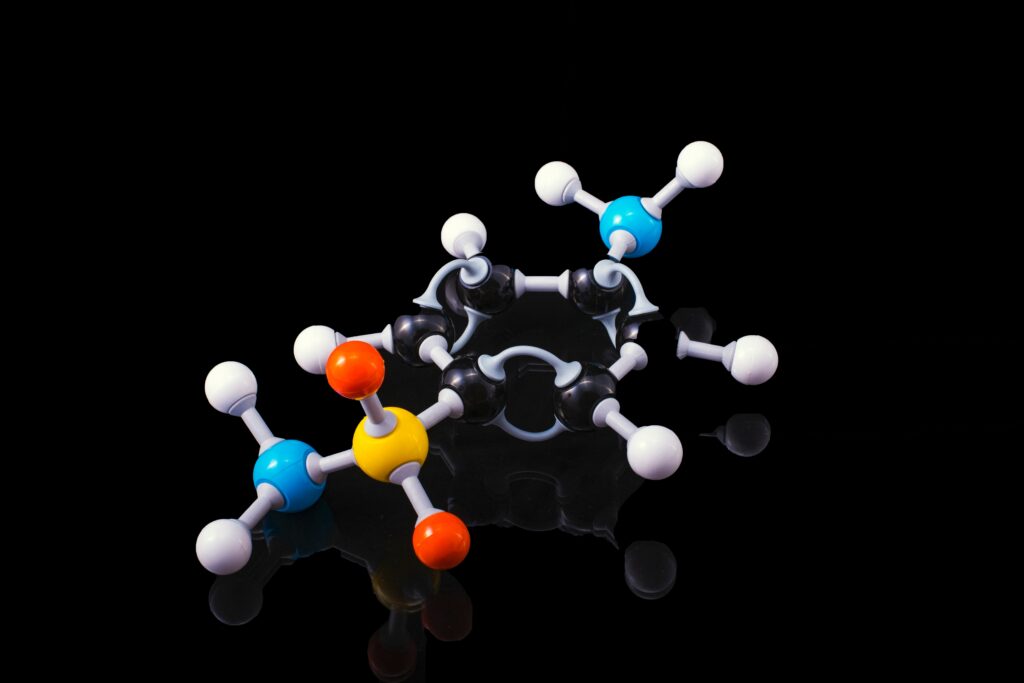
A dipole is a molecule that has a separation of electric charge, with one end of the molecule having a partial positive charge and the other end having a partial negative charge. This separation of charge is caused by the unequal distribution of electrons in the molecule.
In the case of acetone, the molecule has a central carbon atom bonded to two methyl groups and one carbonyl group. The carbonyl group is a polar group that contains a double bond between the carbon and oxygen atoms. Oxygen is more electronegative than carbon, meaning it has a greater attraction for electrons. As a result, the oxygen atom in the carbonyl group pulls electron density away from the carbon atom, creating a partial positive charge on the carbon and a partial negative charge on the oxygen.
This separation of charge creates a dipole moment in the molecule. A dipole moment is a measure of the separation of charge in a molecule and is calculated by multiplying the magnitude of the charge separation by the distance between the partial positive and negative charges. Acetone has a dipole moment of 2.88 Debye units, which is a measure of the strength of the dipole moment.
The dipole moment of acetone makes it a polar molecule, meaning that it can interact with other polar molecules through dipole-dipole interactions. These interactions are important in a wide range of chemical and physical processes, such as solvation, intermolecular forces, and chemical reactions.
In summary, acetone is a dipole molecule because it has a separation of electric charge caused by the unequal distribution of electrons in the molecule, resulting in a dipole moment and making it a polar molecule.