The color of blueberries is a topic that has been debated for some time, with many people claiming that they are either purple or blue. The truth is that blueberries can appear as both purple and blue, depending on a number of factors, including lighting, ripeness, and variety.
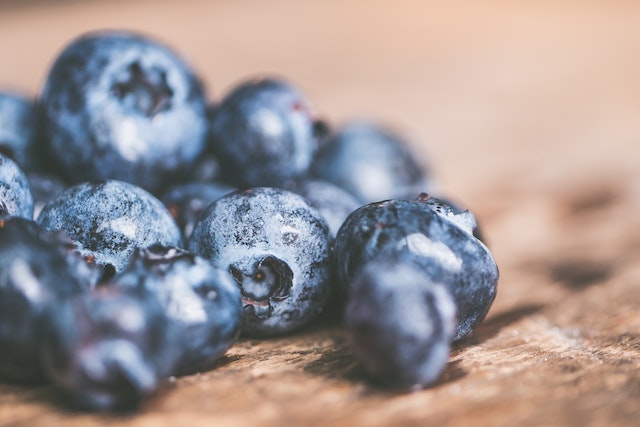
The color of blueberries is primarily determined by their pigments, which are a type of molecule that absorbs and reflects light. The two main types of pigments found in blueberries are anthocyanins and carotenoids. Anthocyanins are responsible for the blue, purple, and red colors found in many fruits and vegetables, while carotenoids are responsible for yellow, orange, and red colors.
When blueberries are unripe, they tend to be green in color, which is due to the presence of chlorophyll, a pigment that is responsible for photosynthesis in plants. As blueberries ripen, they begin to produce more anthocyanins, which are responsible for the blue and purple hues that are commonly associated with ripe blueberries. The amount of anthocyanins produced by blueberries can vary depending on a number of factors, including the variety of the berry, soil conditions, and weather patterns.
The lighting conditions under which blueberries are viewed can also have an impact on their perceived color. Under natural sunlight, blueberries tend to appear more blue, while under artificial lighting, they may appear more purple. This is because the wavelengths of light emitted by different light sources can interact with the anthocyanin pigments in different ways, causing them to reflect different hues.
The variety of blueberry can also play a role in its color. For example, the Highbush blueberry variety tends to be bluer in color, while the Lowbush blueberry variety tends to be more purple. The Wild blueberry variety, which is commonly found in Maine and Canada, can range in color from dark blue to purple, depending on the specific growing conditions.
In summary, blueberries can appear as both purple and blue, depending on a number of factors, including their pigments, ripeness, lighting conditions, and variety. While blueberries are commonly associated with their blue hue, they can also exhibit varying degrees of purple, making them a versatile and visually appealing fruit. Ultimately, the color of a blueberry may not be as important as its nutritional value, which is high in antioxidants, fiber, and other essential nutrients.