Boiled water and distilled water are two different types of water, each with its own unique characteristics and uses. In this article, we will explore the differences between boiled water and distilled water, and examine the benefits and drawbacks of each.
Boiled Water: Boiled water is water that has been heated to its boiling point, which is 100 degrees Celsius or 212 degrees Fahrenheit at sea level. Boiling water is a common method of water purification, as it kills most bacteria and viruses that can cause illness. Boiled water is commonly used for drinking, cooking, and making tea and coffee.
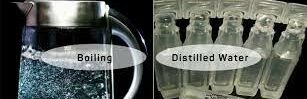
One of the benefits of boiled water is that it is easy to prepare. All you need is a pot or kettle, and a source of heat. Boiled water is also inexpensive, as it doesn’t require any special equipment or processes. In addition, boiling water can improve the taste by removing any chlorine or other chemicals that may be present.
However, boiled water has its drawbacks as well. While it does kill most bacteria and viruses, it doesn’t remove minerals, chemicals, or other contaminants that may be present in the water. This means that boiled water may not be suitable for people with certain health conditions, such as those who are on a low-sodium diet. In addition, boiling water can cause the water to become “flat” by removing some of the dissolved oxygen, which can affect the taste and texture of certain foods and drinks.
Distilled Water: Distilled water is water that has been purified through a process of distillation. Distillation involves heating the water to its boiling point and then condensing the steam back into liquid form. This process removes most impurities from the water, including minerals, chemicals, and contaminants. Distilled water is commonly used for laboratory experiments, medical procedures, and in the production of certain products.
One of the benefits of distilled water is that it is very pure. Because it has been through a process of distillation, it is free from most impurities and contaminants, including minerals, chemicals, and bacteria. This makes distilled water ideal for use in medical procedures, laboratory experiments, and in the production of certain products.
However, distilled water also has its drawbacks. One of the main drawbacks of distilled water is that it can be expensive to produce. The process of distillation requires specialized equipment and a lot of energy, which can drive up the cost of producing distilled water. In addition, distilled water is also lacking in minerals, which can be beneficial for some people.
So, is boiled water the same as distilled water? The answer is no. While both boiled water and distilled water are purified through the process of heating, they are two different types of water with their own unique characteristics and uses. Boiled water is easy to prepare and inexpensive, but it doesn’t remove all impurities and may not be suitable for people with certain health conditions. Distilled water is very pure, but it can be expensive and lacking in beneficial minerals.
In conclusion, the choice between boiled water and distilled water depends on your specific needs and preferences. If you need pure water for laboratory experiments or medical procedures, distilled water may be the best choice. If you need water for everyday use, such as drinking and cooking, boiled water may be sufficient. However, it’s important to remember that both types of water have their benefits and drawbacks, and neither is perfect for every situation.