Broccoli is a cruciferous vegetable that is well-known for its many health benefits. It is packed with vitamins, minerals, and fiber, making it an excellent addition to any diet. However, when it comes to protein content, broccoli is not typically considered a high-protein food.
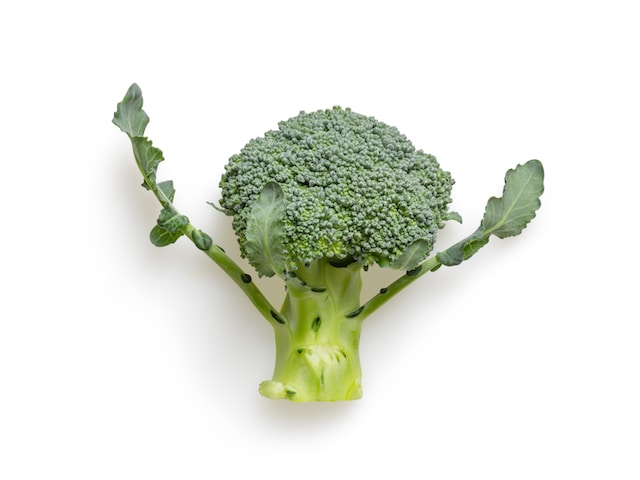
Broccoli Nutrition Profile
Before we dive into the protein content of broccoli, let’s first take a look at its overall nutrition profile. One cup of chopped raw broccoli (about 91 grams) contains:
- Calories: 31
- Protein: 2.6 grams
- Carbohydrates: 6 grams
- Fiber: 2.4 grams
- Fat: 0.4 grams
- Vitamin C: 81% of the Daily Value (DV)
- Vitamin K: 116% of the DV
- Vitamin A: 11% of the DV
- Folate: 14% of the DV
- Potassium: 8% of the DV
As you can see, broccoli is a low-calorie food that is high in fiber and several essential vitamins and minerals. While it is not typically considered a high-protein food, it does contain a moderate amount of protein.
Broccoli Protein Content
One cup of chopped raw broccoli contains about 2.6 grams of protein. This amount may seem low compared to other protein-rich foods, such as chicken, beef, or tofu. However, it is important to keep in mind that protein needs vary depending on factors such as age, gender, body weight, and physical activity level.
The Recommended Dietary Allowance (RDA) for protein is 0.8 grams per kilogram of body weight per day for adults. This means that an adult who weighs 68 kilograms (150 pounds) would need about 55 grams of protein per day. One cup of chopped raw broccoli provides about 4.7% of an adult’s daily protein needs.
While broccoli may not be the most significant source of protein, it can still contribute to overall protein intake, especially for individuals who follow a vegetarian or vegan diet.
Other Health Benefits of Broccoli
While broccoli may not be high in protein, it is still considered a nutrient-dense food that offers many health benefits. Some of the health benefits of broccoli include:
- Anti-inflammatory properties: Broccoli contains compounds that can help reduce inflammation in the body. Chronic inflammation is linked to several health problems, including heart disease, diabetes, and certain types of cancer.
- Cancer prevention: Broccoli contains sulforaphane, a compound that has been shown to have anti-cancer properties. Studies have suggested that eating broccoli may help reduce the risk of certain types of cancer, including prostate, breast, and colon cancer.
- Improved digestion: The fiber in broccoli can help promote regular bowel movements and prevent constipation. Additionally, broccoli contains certain compounds that can help improve gut health and reduce the risk of digestive problems.
- Heart health: Broccoli contains several nutrients, such as folate, potassium, and fiber, that are beneficial for heart health. Eating broccoli may help reduce the risk of heart disease and stroke.
Conclusion
In summary, broccoli is not typically considered a high-protein food, as it contains a moderate amount of protein compared to other protein-rich foods. However, it is still a nutrient-dense food that offers many health benefits, including anti-inflammatory properties, cancer prevention, improved digestion, and heart health. For individuals who follow a vegetarian or vegan diet, broccoli can be a good source of protein and can help contribute to overall protein intake.