Caffeine is a naturally occurring stimulant that is found in various foods and beverages, including coffee, tea, chocolate, and some soft drinks. It is known to stimulate the central nervous system, temporarily ward off drowsiness, and improve alertness. Caffeine is widely used and consumed in many cultures around the world, including by some Muslims.
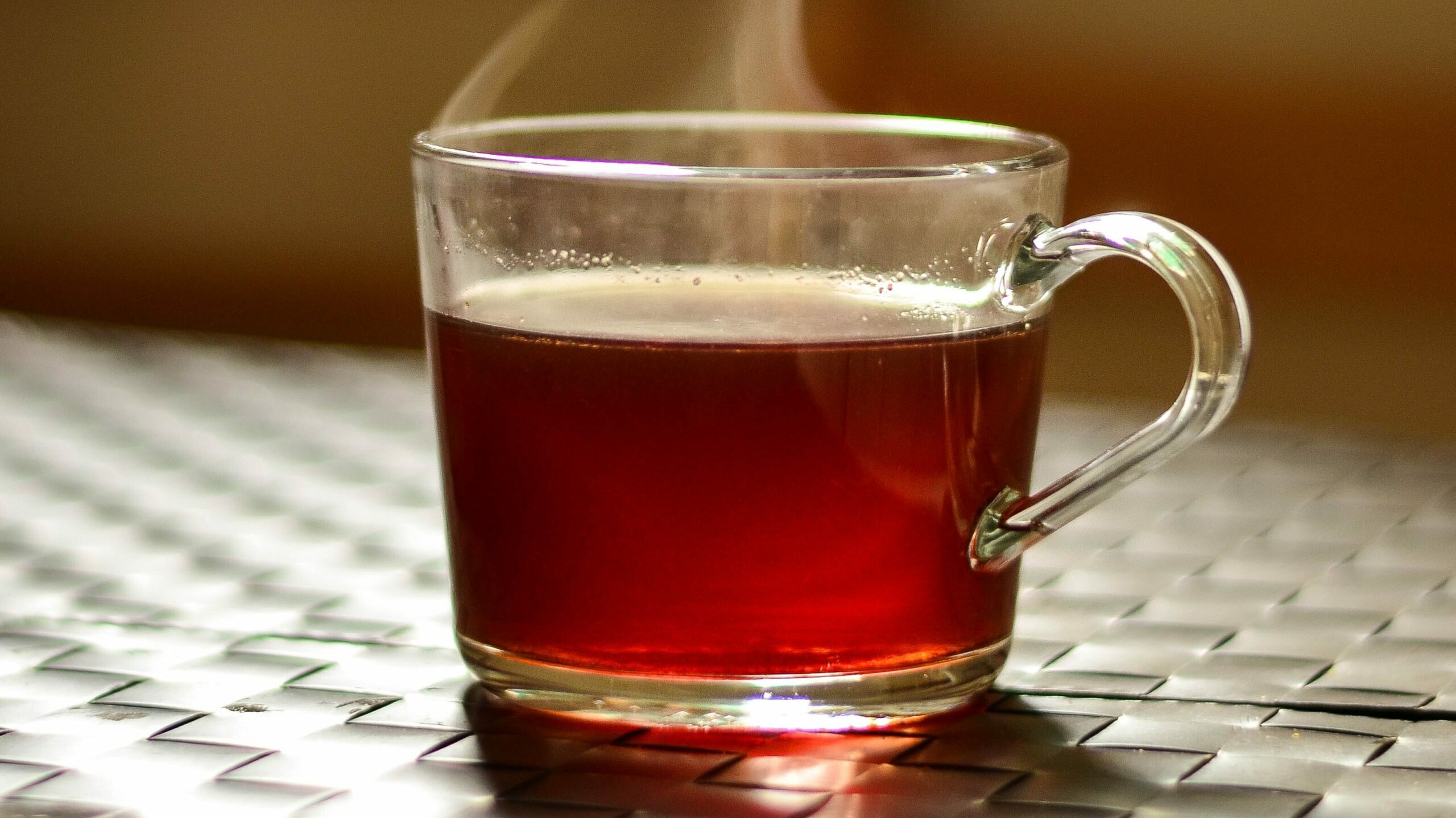
In Islamic jurisprudence, or fiqh, the concept of halal (permissible) and haram (prohibited) refers to a set of rules and guidelines that Muslims follow in their daily lives, including their dietary practices. The interpretation of whether caffeine is considered halal or haram can vary, and there are different viewpoints on this matter.
Those who argue that caffeine is haram may do so for several reasons. One argument is that caffeine is a psychoactive substance that alters the natural state of the mind and body, and therefore should be avoided as it may be considered intoxicating or addictive. Some scholars may also argue that excessive consumption of caffeine can lead to negative health effects, such as increased heart rate, anxiety, and sleep disturbances, and therefore should be avoided.
Another argument against caffeine is that it may be derived from substances that are considered haram, such as coffee beans or tea leaves, which are fermented or processed in a way that involves alcohol. Some scholars may also argue that caffeine-containing beverages, such as coffee or tea, are associated with social customs or practices that are considered haram, such as gatherings where haram activities occur, or excessive consumption leading to waste or addiction.
On the other hand, there are scholars and individuals who argue that caffeine is halal and permissible to consume. They may argue that moderate consumption of caffeine in the form of food or beverages does not alter the mind or body in a way that would be considered intoxicating or addictive, and therefore does not fall under the category of haram substances. They may also argue that the health effects of caffeine can be managed through moderate consumption, and that caffeine-containing foods and beverages are widely consumed in many cultures without any negative impact on religious obligations or ethical considerations.
It’s important to note that the interpretation of whether caffeine is halal or haram can vary among different Islamic schools of thought, cultural practices, and individual beliefs. Some may follow more lenient interpretations, allowing for moderate caffeine consumption, while others may follow stricter interpretations, considering it haram. Additionally, personal preferences and health considerations may also influence an individual’s choice to consume or avoid caffeine, regardless of the religious rulings.
It’s also worth mentioning that Islamic teachings emphasize the importance of moderation in all aspects of life, including dietary practices. The principle of “everything in moderation” is often emphasized, and excessive consumption of any substance, including caffeine, may be discouraged.
In conclusion, the question of whether caffeine is considered halal or haram in Islam is a complex topic with varying opinions among scholars and individuals. While some may argue that it is haram due to its psychoactive properties, association with substances or practices considered haram, or potential health effects, others may argue that it is halal and permissible in moderation. It’s important for individuals to consult with their own religious authorities, consider their own health and personal beliefs, and make informed decisions based on their own understanding and interpretation of Islamic teachings.