The origins of the name “Earth” are not entirely clear, but it is not generally believed to have been named after a god or goddess. The word “Earth” has its roots in the Old English word “eorðe,” which means ground or soil, and is related to the German word “Erde.” The name “Earth” is simply a descriptive term that refers to the planet on which we live.
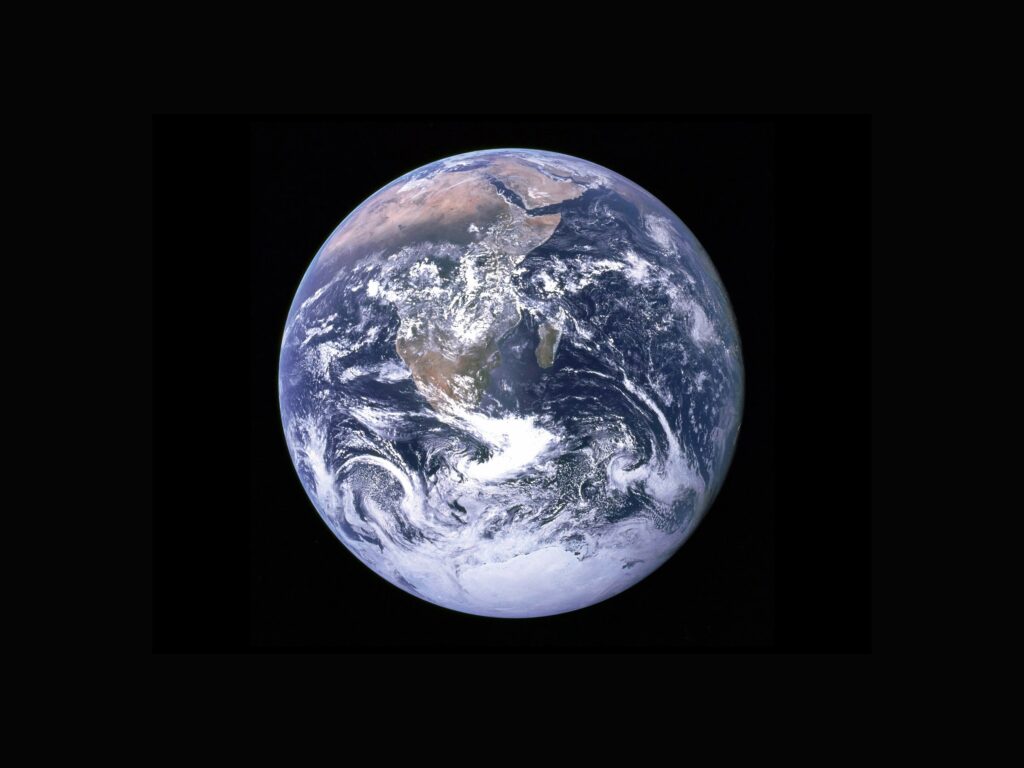
In ancient cultures, many different names were used to refer to the planet. For example, in ancient Greece, the planet was known as Gaia, which was the goddess of the Earth. In Roman mythology, the planet was named Terra, which was also a goddess of the Earth. However, these names were not used universally and were limited to specific cultures and regions.
The word “Earth” has been used to describe our planet for thousands of years. The ancient Greeks, for example, used the word “γῆ” (ge) to refer to the planet. This word has its roots in the Proto-Indo-European language, which is believed to have been spoken around 4,500 years ago. The word “ge” has also been linked to the Greek goddess Gaea, who was the goddess of the Earth.
The word “Earth” has also been used in various religious and philosophical contexts. In many creation myths, the Earth is believed to be the place where humans were created or where the gods live. In some cultures, the Earth is seen as a living being that must be respected and protected.
In conclusion, the name “Earth” is simply a descriptive term that refers to the planet on which we live. It is not generally believed to have been named after a god or goddess, although the word has been used in various religious and philosophical contexts. The origins of the word “Earth” can be traced back to the Old English word “eorðe,” which means ground or soil, and is related to the German word “Erde.” While many different names have been used to refer to the planet throughout history, “Earth” remains the most widely accepted and commonly used name.