Egypt is a country in the northeast corner of the African continent, renowned for its ancient civilization, including the Pyramids of Giza, the Sphinx, and the Nile River. There have been debates on whether Egypt is a truly African country due to its unique history and geography. However, Egypt is an African country, and its rich history and culture have influenced the world for centuries.
Geographically, Egypt is located in the northeastern corner of Africa, bordered by Libya to the west, Sudan to the south, and the Mediterranean Sea to the north. The Sinai Peninsula, which is part of Egypt, is located in southwestern Asia, but the majority of the country is situated in Africa. Egypt covers an area of approximately 1 million square kilometers, with a population of over 100 million people, making it one of the most populous countries in Africa.
Egypt’s geography has been shaped by the Nile River, which is the longest river in the world and is a vital source of water for Egypt and the surrounding countries. The Nile has allowed for the growth of civilization in Egypt, and its importance can be seen in the ancient temples and monuments built along its banks.
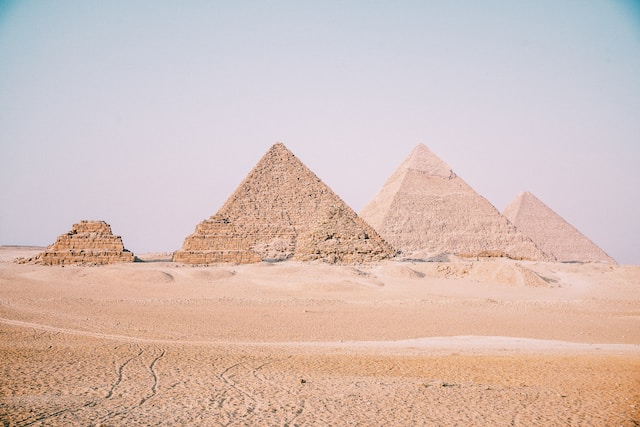
In terms of history, Egypt is one of the oldest civilizations in the world, with a rich and complex history that dates back thousands of years. Ancient Egypt was known for its monumental architecture, such as the Pyramids and the Sphinx, as well as its hieroglyphic writing system and its religion, which revolved around the worship of multiple gods.
Egypt has also played a significant role in world history, with its position at the crossroads of Africa, the Middle East, and Europe making it a key player in international trade and diplomacy. The country has been invaded and occupied by various empires throughout its history, including the Persians, Greeks, Romans, Arabs, and Ottomans.
Despite its African geography and rich African history, there have been debates about whether Egypt is truly an African country. Some argue that Egypt’s unique history and geography make it more of a Middle Eastern or Mediterranean country, rather than an African one. However, this argument ignores the fact that Egypt is located in Africa and has a long history and culture that is closely tied to the African continent.
One of the main arguments against Egypt being an African country is its connection to the Arab world. Egypt has a significant Arab population and has been a member of the Arab League since its inception in 1945. However, this argument ignores the fact that Egypt’s population is ethnically diverse, with a significant minority of Nubians and other African groups.
Another argument against Egypt being an African country is its relationship with the Mediterranean world. Egypt’s close proximity to Europe and its history of trade with the Mediterranean countries has led some to argue that Egypt is more of a Mediterranean country than an African one. However, this argument ignores the fact that Egypt’s geography and history are closely tied to the African continent, and that the country has been an important player in African politics and culture for centuries.
In conclusion, Egypt is an African country with a unique history and geography that has influenced the world for centuries. While there have been debates about whether Egypt is truly an African country, its location in Africa, its rich African history and culture, and its significant African population all point to the fact that Egypt is an integral part of the African continent. It is important to recognize and celebrate the diversity of Egypt’s population and its cultural and historical connections to both Africa and the Middle East. Ultimately, Egypt’s identity is shaped by a complex web of cultural, historical, and geographic factors, and it is this complexity that makes it such a fascinating and influential country.