Fascism and dictatorship share some similarities, but they are not the same thing. Both involve the concentration of power in the hands of a single individual or a small group, and both often involve the suppression of political opposition and the use of force to maintain control. However, there are also significant differences between the two.
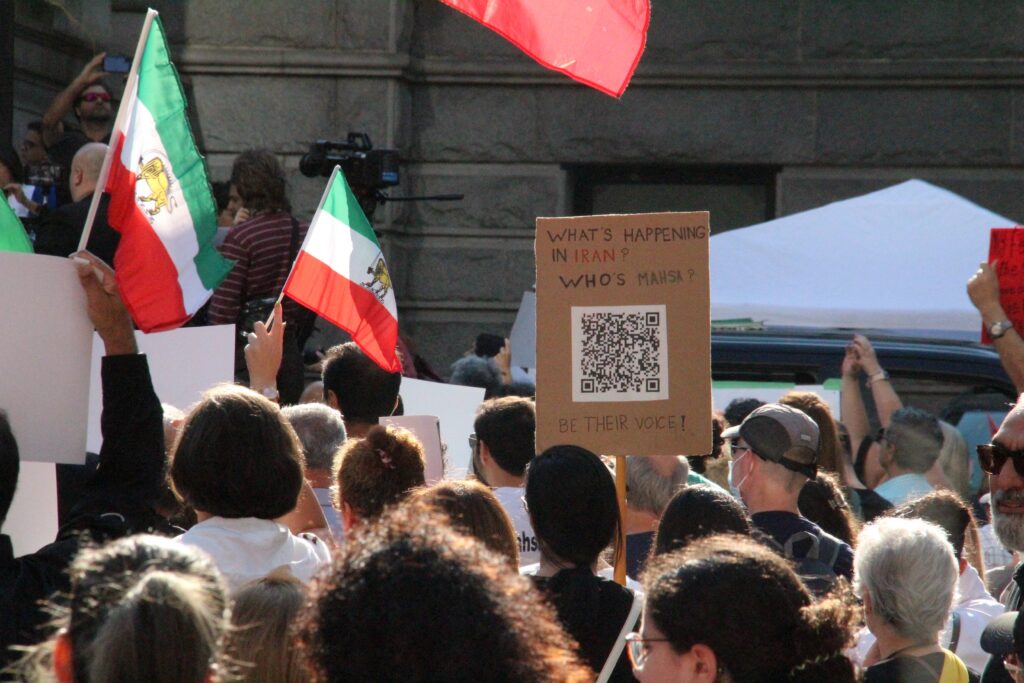
Fascism is a political ideology that emerged in Europe in the early 20th century, most notably in Italy and Germany. It is characterized by extreme nationalism, authoritarianism, and a belief in the supremacy of the state over the individual. Fascist regimes are often characterized by the use of propaganda and mass mobilization to promote the ideals of the regime, and by the use of violence to suppress dissent.
Dictatorship, on the other hand, is a form of government in which one person or a small group of people hold absolute power. In a dictatorship, the ruler(s) typically exercise complete control over the government, the military, and the economy, often with little or no accountability to the people. Dictatorships can take many different forms, from military juntas to hereditary monarchies to single-party states.
While fascism and dictatorship share some characteristics, there are also some significant differences between the two. One of the main differences is that fascism is a specific political ideology with a set of beliefs and values that are distinct from other political systems. Dictatorship, on the other hand, is a form of government that can be used to implement a wide range of political ideologies, including fascism, but also including communism, socialism, and other systems.
Another difference between fascism and dictatorship is that fascism places a strong emphasis on national identity and unity, often at the expense of individual rights and freedoms. Dictatorships, on the other hand, can be based on a variety of principles, including ideology, religion, or personal ambition, and may or may not emphasize national identity.
Finally, while both fascism and dictatorship can be characterized by the use of force and repression to maintain control, fascism often involves the use of mass mobilization and propaganda to build support for the regime, while dictatorships may rely more heavily on fear and intimidation to keep the population in line.
In conclusion, while fascism and dictatorship share some similarities, they are not the same thing. Fascism is a specific political ideology characterized by extreme nationalism, authoritarianism, and a belief in the supremacy of the state over the individual. Dictatorship, on the other hand, is a form of government in which one person or a small group of people hold absolute power, and can be based on a variety of principles. While both fascism and dictatorship can involve the use of force and repression to maintain control, there are significant differences in how they achieve and maintain power.