Fried rice is a popular dish that is enjoyed around the world, particularly in East and Southeast Asia. The dish typically consists of cooked rice that is stir-fried with a variety of ingredients, including vegetables, meat, seafood, and spices. While fried rice can be a flavorful and satisfying meal, there is some debate over whether it is healthy or unhealthy.
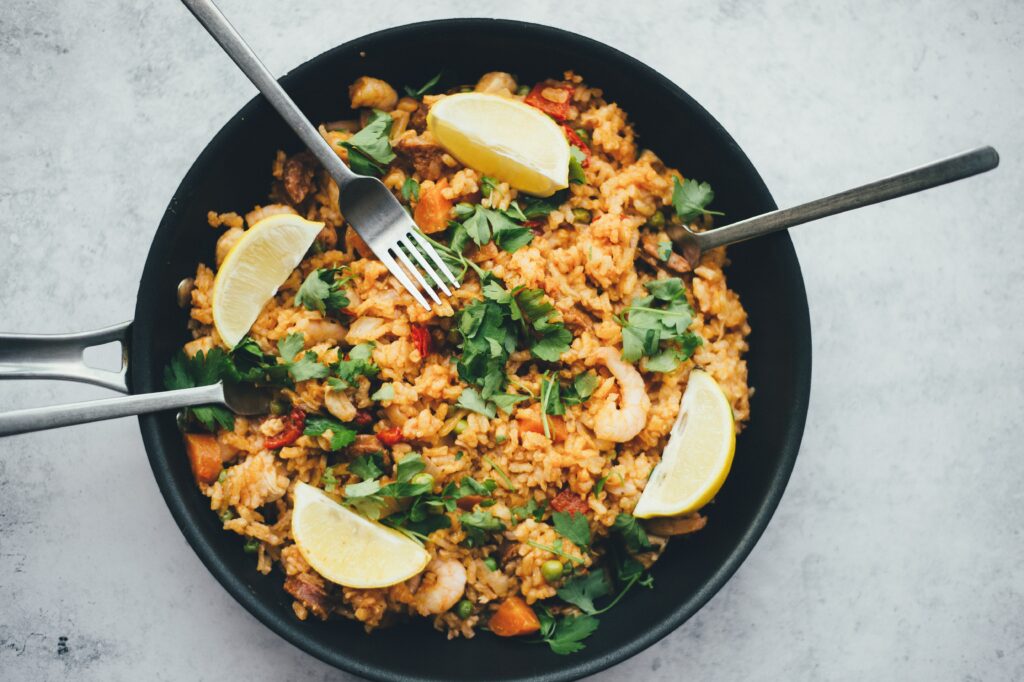
On the one hand, fried rice can be a relatively healthy and nutritious meal option. It typically contains a variety of vegetables, which can provide important vitamins, minerals, and fiber. Additionally, the inclusion of protein-rich ingredients like chicken, beef, shrimp, or tofu can help to make the dish more filling and satisfying.
However, the preparation and ingredients used in fried rice can also have a significant impact on its overall nutritional value. One of the main concerns with fried rice is that it is often cooked in oil, which can add significant amounts of calories and fat to the dish. Depending on the type and amount of oil used, a single serving of fried rice can contain several hundred calories and dozens of grams of fat.
Another potential concern with fried rice is the use of high-sodium ingredients like soy sauce, which can contribute to excessive salt intake. Some versions of fried rice may also include added sugar or other sweeteners, which can further increase the calorie and carbohydrate content of the dish.
In addition to these concerns, there is also some evidence to suggest that the way in which rice is prepared can affect its overall nutritional value. For example, white rice, which is commonly used in fried rice recipes, is more highly processed than brown rice and may contain fewer nutrients as a result. Some studies have also suggested that consuming high amounts of white rice may be associated with an increased risk of diabetes and other health issues.
Overall, the healthfulness of fried rice depends largely on the specific recipe and preparation methods used. Some versions of the dish can be relatively healthy, while others may be high in calories, fat, and sodium. To make a healthier version of fried rice, it is important to use a moderate amount of oil and choose low-sodium ingredients like fresh vegetables and lean proteins. Using brown rice instead of white rice can also help to increase the nutritional value of the dish.
Ultimately, like many foods, fried rice can be part of a healthy and balanced diet when consumed in moderation and prepared with care. However, it is important to be mindful of the ingredients and preparation methods used, as well as to pay attention to portion sizes to avoid overconsumption of calories, fat, and sodium.