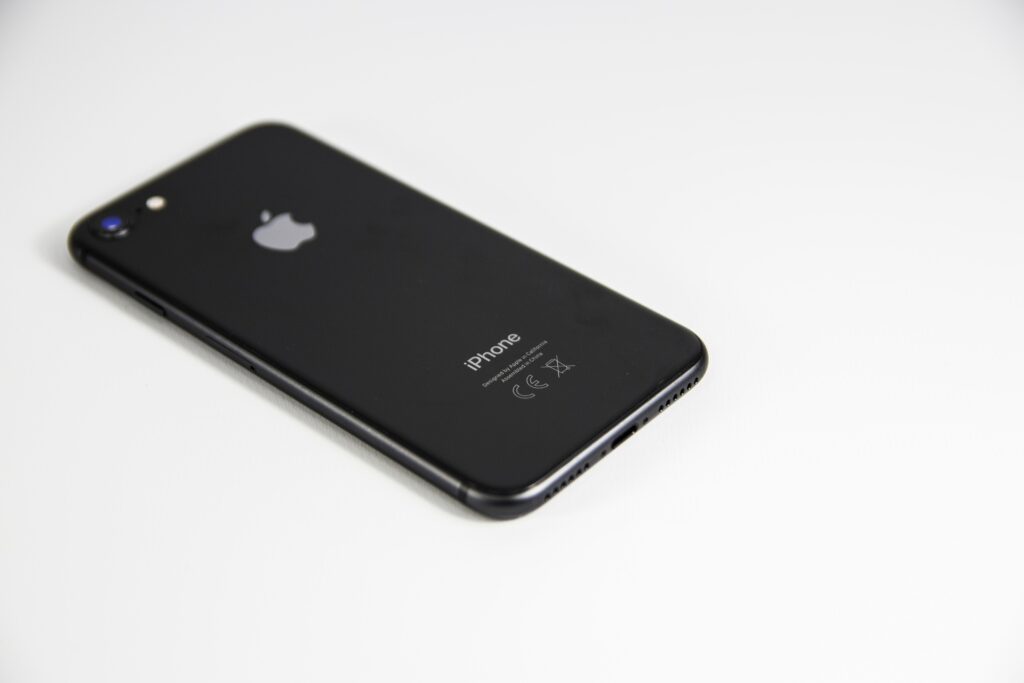
The iPhone 7 was released by Apple in September 2016 and was the successor to the iPhone 6s. At the time of its release, the iPhone 7 only supported 4G/LTE connectivity, not 5G.
4G, which stands for Fourth Generation, is the fourth major iteration of mobile network technology, following 3G. It is designed to provide faster internet speeds, better coverage, and improved reliability than its predecessor. 4G networks can deliver data transfer rates of up to 100 Mbps (megabits per second), which is significantly faster than 3G networks, which can only provide up to 21 Mbps.
The iPhone 7 supports a range of 4G/LTE bands, which vary depending on the region and carrier. In the United States, for example, the iPhone 7 supports LTE bands 1, 2, 3, 4, 5, 7, 8, 12, 13, 17, 18, 19, 20, 25, 26, 27, 28, 29, 30, which are used by major carriers such as AT&T, Verizon, and T-Mobile. In Europe, the iPhone 7 supports LTE bands 1, 2, 3, 4, 5, 7, 8, 12, 13, 17, 18, 19, 20, 25, 26, 27, 28, 29, 30, and 38, which are used by carriers such as Vodafone, Orange, and Deutsche Telekom.
It’s worth noting that the iPhone 7 was released before the commercial availability of 5G networks. 5G, which stands for Fifth Generation, is the latest mobile network technology that promises even faster speeds and lower latency than 4G. 5G networks can deliver data transfer rates of up to 10 Gbps (gigabits per second), which is several times faster than 4G networks.
5G networks operate on a range of frequencies, including low-band, mid-band, and high-band frequencies. Low-band frequencies provide the widest coverage but lower speeds, while high-band frequencies offer the fastest speeds but have limited coverage. Mid-band frequencies strike a balance between coverage and speed.
The iPhone 7 does not support 5G networks because it was released before the technology became commercially available. However, Apple has since released several 5G-capable iPhones, including the iPhone 12, iPhone 13, and iPhone SE (2nd generation), which support both sub-6GHz and mmWave frequencies. Sub-6GHz frequencies provide wider coverage, while mmWave frequencies offer faster speeds but have limited coverage.
In summary, the iPhone 7 only supports 4G/LTE connectivity and does not support 5G networks. The iPhone 7 can deliver data transfer rates of up to 100 Mbps, which is significantly faster than 3G networks but much slower than 5G networks, which can deliver data transfer rates of up to 10 Gbps. If you are looking for an iPhone that supports 5G networks, you may want to consider one of Apple’s more recent models, such as the iPhone 12 or iPhone 13.