The iPhone 8 supports 4G LTE, as well as older cellular technologies such as 3G and 2G. This means that the iPhone 8 is capable of connecting to high-speed 4G networks for fast internet browsing, streaming, and downloading.
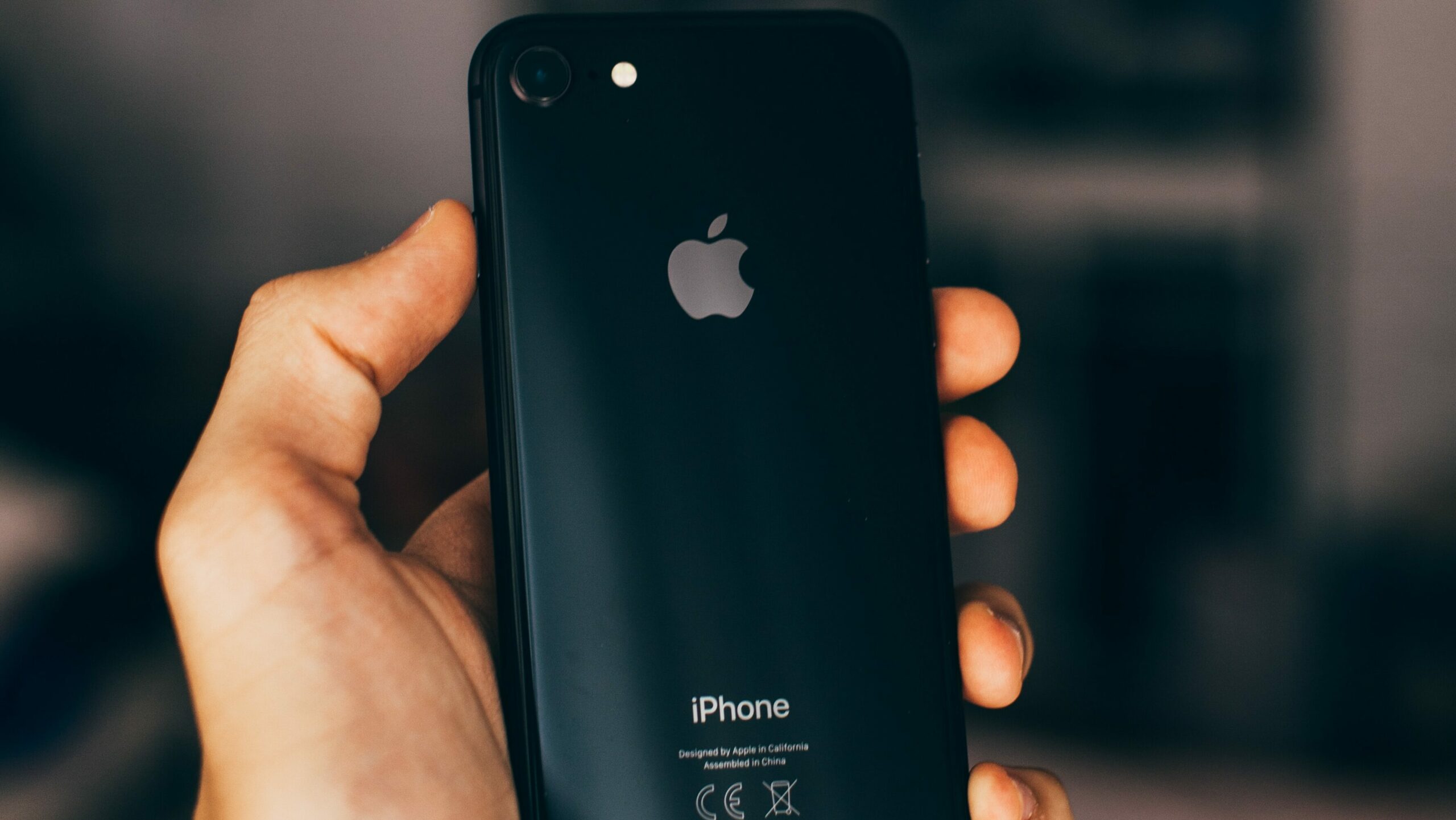
4G LTE is the fourth generation of mobile network technology, which offers faster speeds and better performance compared to previous cellular technologies. With 4G LTE, users can experience faster internet speeds, improved call quality, and better coverage in more areas.
In addition to 4G LTE, the iPhone 8 also supports 3G and 2G cellular networks. 3G is the third generation of mobile network technology, which offers faster data speeds compared to 2G. While 3G networks are not as fast as 4G LTE, they still provide reliable internet connectivity for basic tasks such as web browsing and email.
2G is the second generation of mobile network technology, which offers basic voice and text messaging services. While 2G networks are not capable of supporting high-speed data transfer or internet browsing, they are still used in some parts of the world for basic cellular services.
The iPhone 8 is also capable of connecting to Wi-Fi networks for internet connectivity. Wi-Fi offers faster speeds compared to cellular networks, and is often more reliable in areas with poor cellular coverage.
In order to connect to 4G LTE or other cellular networks, the iPhone 8 requires a SIM card from a compatible carrier. The iPhone 8 is compatible with a wide range of carriers, including major carriers such as AT&T, Verizon, Sprint, and T-Mobile.
In summary, the iPhone 8 supports 4G LTE, as well as older cellular technologies such as 3G and 2G. This means that the iPhone 8 is capable of connecting to high-speed 4G networks for fast internet browsing, streaming, and downloading, as well as providing reliable cellular connectivity for voice and text messaging. To connect to cellular networks, the iPhone 8 requires a SIM card from a compatible carrier.