Sitting in the Indian style, also known as sitting cross-legged or sitting in a lotus position, is a common sitting posture that has been practiced for centuries in many cultures, including in India, Japan, and other parts of Asia. It involves sitting on the floor with crossed legs, where one foot rests on top of the opposite thigh, and the other foot is placed under the opposite thigh. While this sitting position is often associated with meditation and yoga, it is also a casual and informal way of sitting for many people in various daily activities.
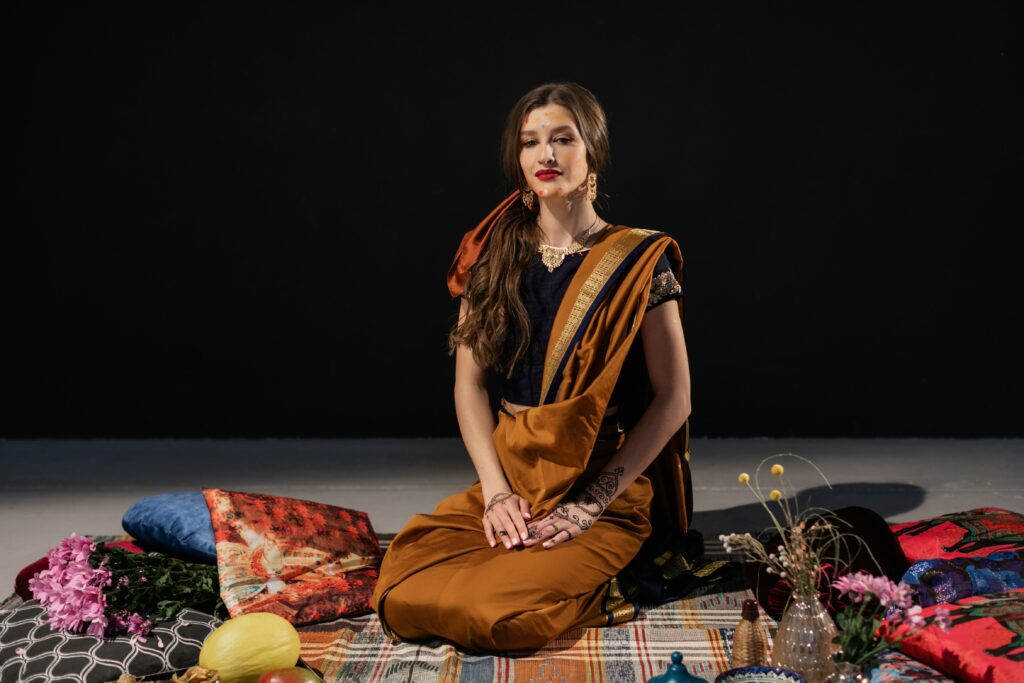
The health effects of sitting in the Indian style can vary depending on individual factors such as age, flexibility, and overall health. In general, sitting in the Indian style can have both positive and negative effects on the body, and it is important to consider several factors to determine whether it is a healthy sitting posture for you.
One of the potential health benefits of sitting in the Indian style is improved posture. Sitting with crossed legs can naturally align the spine and encourage an upright posture, which can help strengthen the back muscles and reduce the risk of developing poor posture-related issues such as kyphosis (hunchback) or lordosis (swayback). Additionally, sitting in the Indian style can help to engage and stretch the hip muscles, which can promote flexibility and mobility in the hips and lower back.
Another potential benefit of sitting in the Indian style is improved digestion. Sitting on the floor in a cross-legged position can encourage a more relaxed and natural position for the digestive organs, which can aid in digestion and reduce the risk of issues such as acid reflux or constipation. This sitting position can also allow for deeper breathing, which can help relax the body and reduce stress.
Furthermore, sitting in the Indian style is often associated with mindfulness practices such as meditation and yoga, which can have a positive impact on mental health. These practices can help reduce stress, anxiety, and depression, and promote relaxation, focus, and mindfulness. Sitting in the Indian style can provide a stable and comfortable base for these practices, allowing for a deeper and more focused experience.
However, sitting in the Indian style may not be suitable for everyone, and it can have potential drawbacks as well. One of the main concerns is the strain it can put on the knees and hips, especially for people with preexisting joint issues or limited flexibility. Sitting in the Indian style requires external rotation of the hips and placing the knees under stress due to the crossed-leg position, which can lead to discomfort or pain in the knees, hips, or lower back, particularly when done for prolonged periods of time. It can also cause numbness or tingling in the legs or feet due to compression of nerves.
Additionally, sitting in the Indian style may not be appropriate for those with certain health conditions, such as osteoarthritis, varicose veins, or other musculoskeletal issues. It is important to consider your individual health condition and seek advice from a healthcare professional if you have any concerns about sitting in this position.
Moreover, sitting in the Indian style may not be practical or comfortable for everyone in certain situations, such as during work or while engaging in activities that require prolonged concentration or physical effort. Sitting on the floor may not provide the necessary support and stability for such activities, and using a chair or other ergonomic seating options may be more appropriate.
In conclusion, sitting in the Indian style can have both health benefits and potential risks. It can improve posture, aid in digestion, and promote mindfulness practices, but it can also strain the knees and hips, and may not be suitable for everyone, especially those with preexisting health conditions. If you are considering sitting in the Indian style, it is important to listen to your body, pay attention to any discomfort or pain, and adjust your posture or seating options accordingly. If you have