Post-operative urinary frequency, or the need to urinate more often than usual after surgery, is a common occurrence. The reasons for this can vary depending on the type of surgery performed and the individual patient’s medical history. In this response, we’ll explore some of the possible causes of post-operative urinary frequency and what you can do to alleviate it.
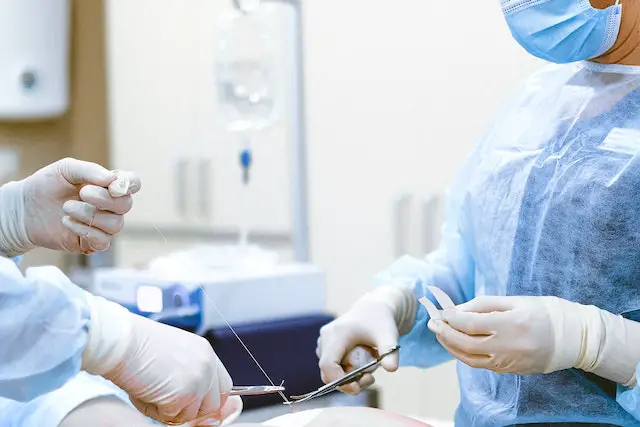
One of the main reasons for increased urinary frequency after surgery is the use of anesthesia. Anesthetics can cause a temporary disruption in the normal functioning of the bladder and urinary tract, leading to an increased need to urinate. This is particularly true for surgeries that involve the pelvis, such as prostate surgery, hysterectomy, or bladder surgery. The anesthetic can cause the bladder to become overactive, leading to frequent urges to urinate.
Another common cause of post-operative urinary frequency is the use of catheters. A catheter is a thin tube that is inserted into the bladder to drain urine. Catheters are often used during surgery to help monitor urine output and prevent bladder distension. However, the use of a catheter can cause irritation and inflammation of the urethra and bladder, leading to increased urinary frequency.
In addition to anesthesia and catheter use, pain medication can also contribute to increased urinary frequency after surgery. Many pain medications, such as opioids, can cause urinary retention, which is the inability to fully empty the bladder. This can lead to increased urinary frequency as the bladder tries to compensate for the retained urine.
Dehydration is another possible cause of increased urinary frequency after surgery. During surgery, patients are often not allowed to eat or drink for several hours. This can lead to dehydration, which can cause the urine to become more concentrated and irritating to the bladder. Additionally, medications such as diuretics, which increase urine output, may be used during and after surgery, which can contribute to increased urinary frequency.
Lastly, anxiety and stress can also contribute to increased urinary frequency after surgery. Surgery is a stressful and anxiety-provoking event, and this can lead to increased activation of the sympathetic nervous system, which can cause the bladder to become overactive. Additionally, anxiety and stress can cause the muscles of the pelvic floor to become tense, which can further irritate the bladder and lead to increased urinary frequency.
So, what can you do to alleviate post-operative urinary frequency? Here are a few tips:
- Stay hydrated: Make sure you drink plenty of fluids to keep your urine dilute and less irritating to the bladder.
- Avoid caffeine and alcohol: These substances can irritate the bladder and cause increased urinary frequency.
- Practice bladder retraining: This involves gradually increasing the amount of time between trips to the bathroom. This can help train your bladder to hold more urine and reduce the need to urinate frequently.
- Practice relaxation techniques: Stress and anxiety can contribute to increased urinary frequency, so practicing relaxation techniques such as deep breathing, meditation, or yoga can be helpful.
- Talk to your doctor: If post-operative urinary frequency persists or is causing significant discomfort, talk to your doctor. They may be able to prescribe medication or suggest other treatments to alleviate your symptoms.
In conclusion, post-operative urinary frequency is a common occurrence after surgery. The causes of increased urinary frequency can vary, but may include anesthesia, catheter use, pain medication, dehydration, and anxiety. Fortunately, there are several strategies that can help alleviate these symptoms, including staying hydrated, avoiding caffeine and alcohol, practicing bladder retraining, practicing relaxation techniques, and talking to your doctor. By taking these steps, you can help manage post-operative urinary frequency and get back to feeling like yourself again.